“BYD Dolphin looks great, the price will sell well, the rear space is spacious, and it has a panoramic sunroof... I'll recommend this car to my parents.”
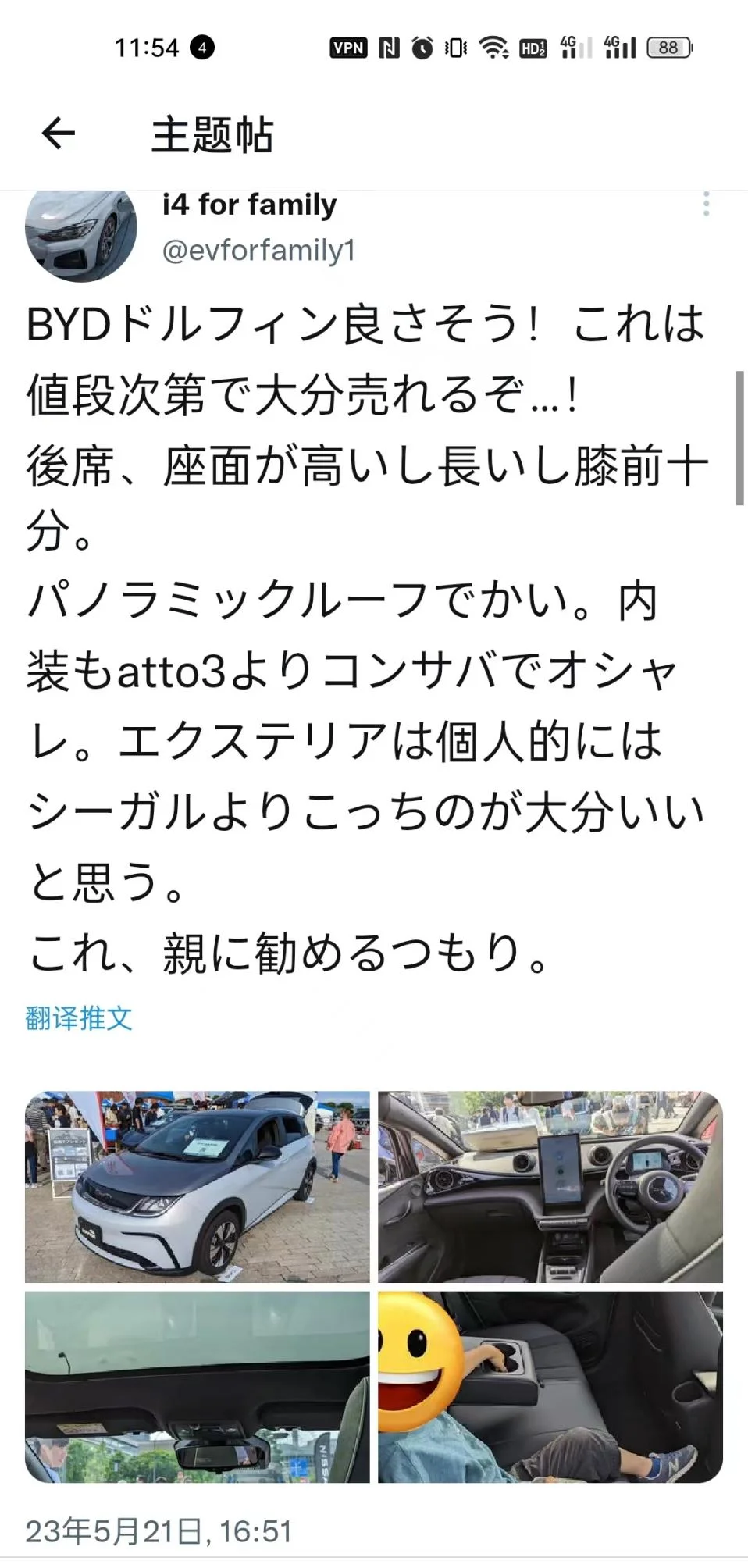
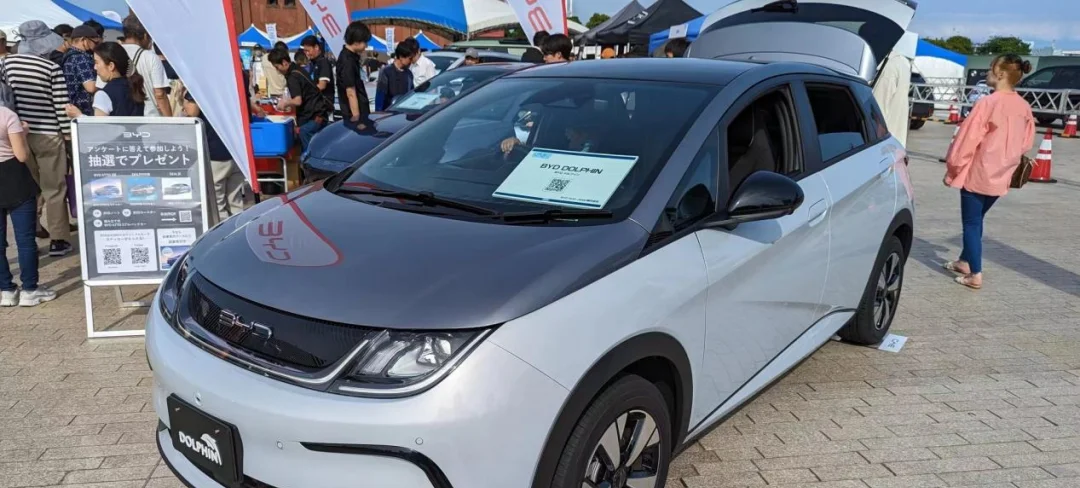
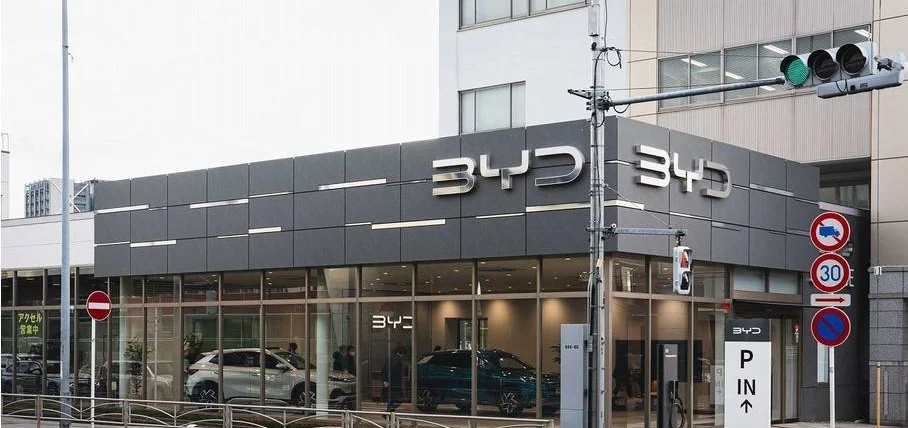
On May 21, a Japanese BYD fan tweeted this after seeing the BYD Dolphin at a local auto show. This owner knows BYD's product lineup well, and interestingly, he also owns a BMW i4.
Not just in Japan, but in Israel, Thailand, Vietnam, and even further in South America and Europe, more and more people are getting to know BYD and choosing it. BYD fans are going global!
A World-Oriented Product Matrix
2022 is defined as BYD's first year of overseas expansion. By the end of last year, BYD had spread across Asia, Europe, and the Americas, operating passenger car businesses in 18 countries. Its commercial vehicles have reached over 70 countries and regions across six continents, covering more than 400 cities.
Starting with its first overseas subsidiary in the Netherlands in 1998, BYD took 24 years to lay out its global automotive market. So the “first year” means acceleration, a natural market realization.
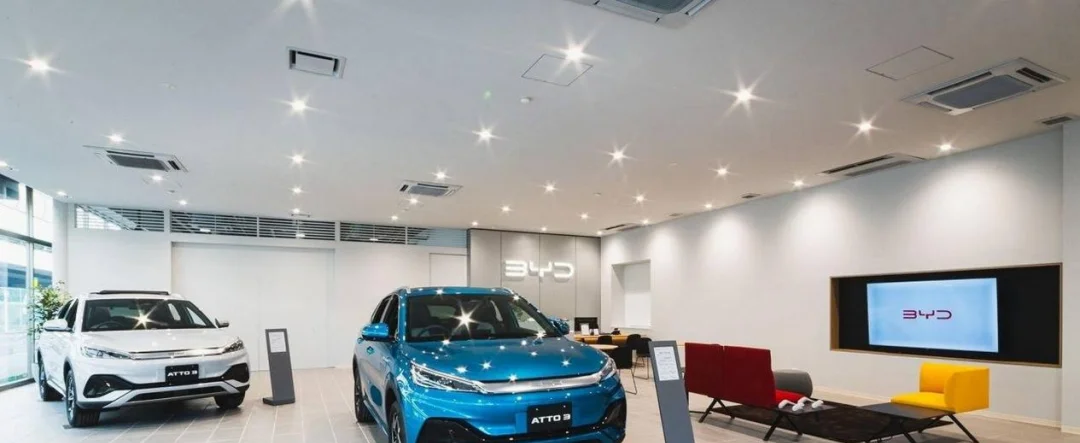
Take Israel as an example: BYD cooperates with local national dealer Shlomo Motor Company, which already partnered with BYD in electric buses.
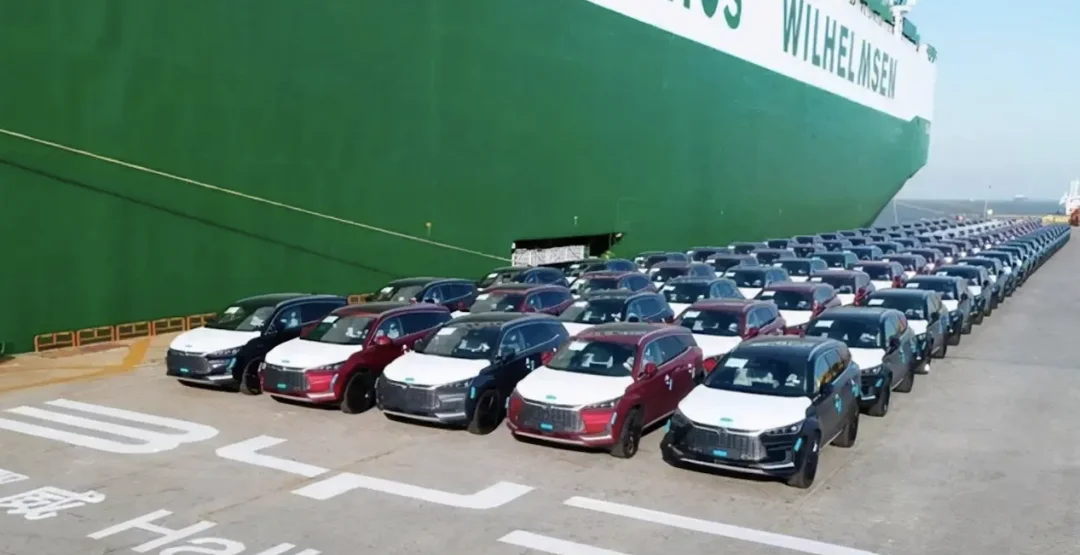
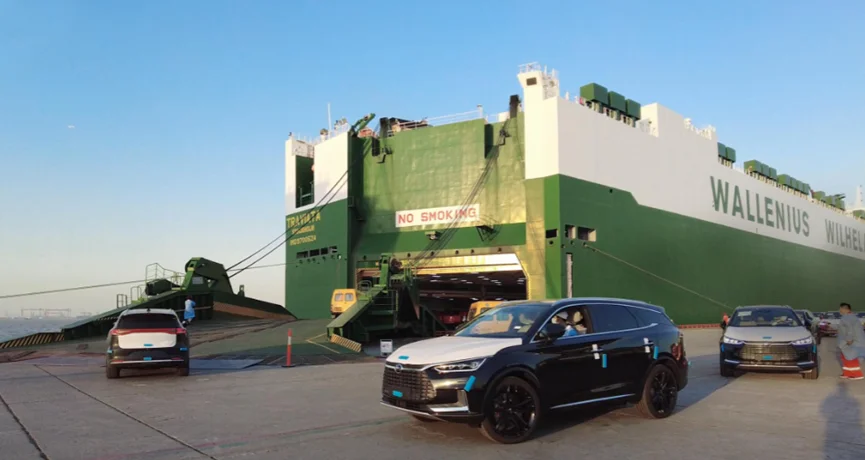
From last year, BYD's overseas expansion accelerated linearly, making it the fastest-growing Chinese brand in export year-on-year. In April this year, BYD exported 14,800 vehicles, a 15.5-fold increase year-on-year. In the first four months, overseas sales reached about 53,600 units, close to the full-year export volume of 55,900 last year.
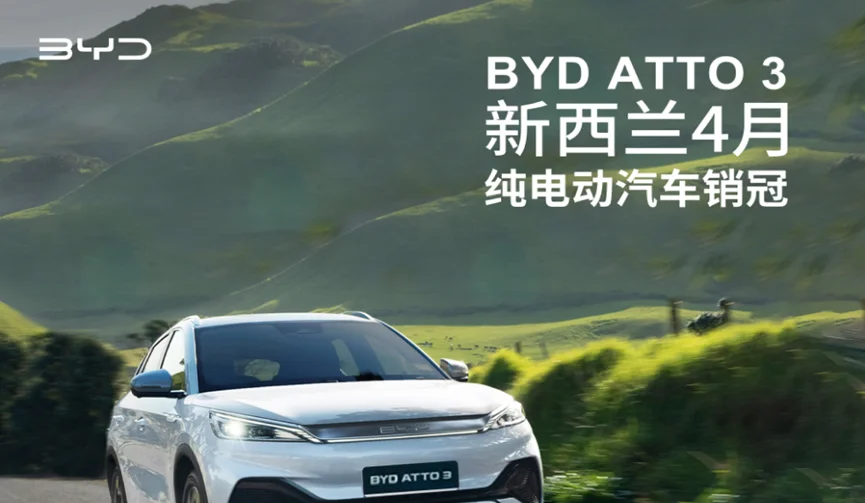
In specific overseas markets, BYD ATTO 3 (Yuan PLUS) was the best-selling pure electric vehicle in Thailand for four consecutive months, and the best-selling single model across all vehicle types in Israel for six consecutive months. ATTO 3 also became the best-selling pure electric car in New Zealand in April and in Singapore in April.
Clearly, BYD ATTO 3 has become a global star product. It was entrusted as the vanguard of BYD's overseas expansion because it is the most suitable category and reasonably priced hit among BYD's volume models – perhaps not the most expensive, but definitely the most right for now.
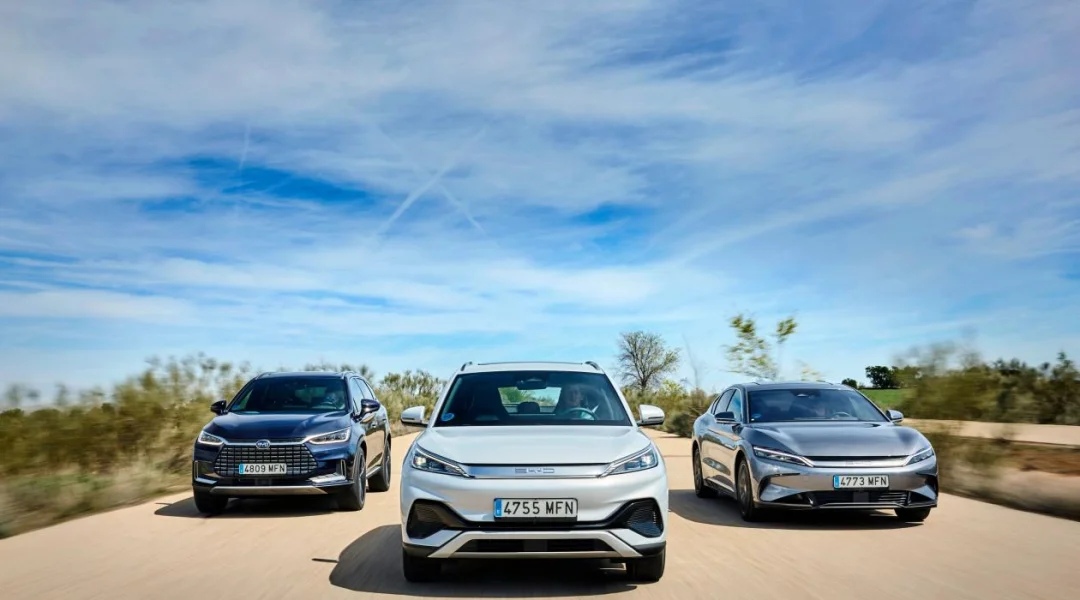
ATTO 3 is just the tip of the iceberg: the Seal will soon land in Europe, while the Dolphin targets Asia and Latin America. Undoubtedly, ATTO 3, Song Plus DM-i, Seal, and Dolphin form BYD's overseas team. For any automaker aspiring to conquer the global market, a solid and comprehensive product matrix is sometimes more important than sales figures.
Factors like early global layout, high brand awareness, precise product entry, and good relations with local markets constitute BYD's subjective advantages. Taking advantage of the trend, everything falls into place.
A Set of Global Core Technologies
Since BYD announced its passenger car overseas plan in May 2021, the first batch of BYD Tang was priced at 72,000 euros in Europe, comparable to BMW X5 and Audi Q7. The high overseas pricing power once amazed the domestic market. How can BYD's products be so expensive overseas?
In fact, even the current main model BYD ATTO 3 is priced at 38,000 euros (about 270,000 RMB), far exceeding its domestic sibling BYD Yuan PLUS. Behind the high added value is BYD's moat of core technologies.
With technologies like Blade Battery, DM-i super hybrid, and e-platform 3.0, BYD's passenger cars leapfrog the oil-to-electric products in foreign markets. This superiority is reflected in range, safety, space, driving quality, and more – all together forming the reasons for BYD's leading edge.
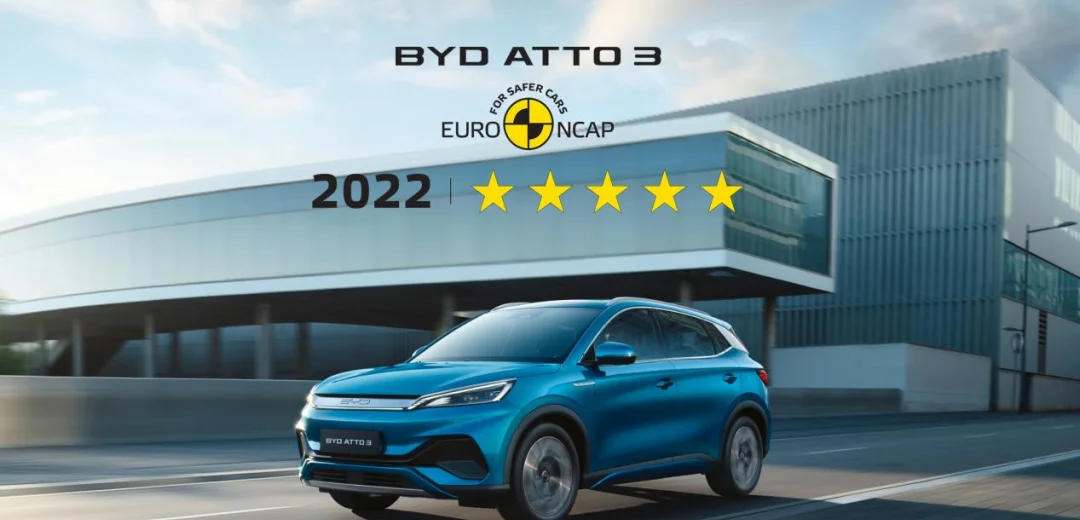
When ATTO 3 landed in Europe, it received the authoritative Euro NCAP five-star safety certification. Safety is becoming a key label for BYD's overseas expansion. Some overseas media commented that BYD's Blade Battery technology has become a force to be reckoned with in China and the world, ranking BYD second globally with over 16% market share, the top OEM.
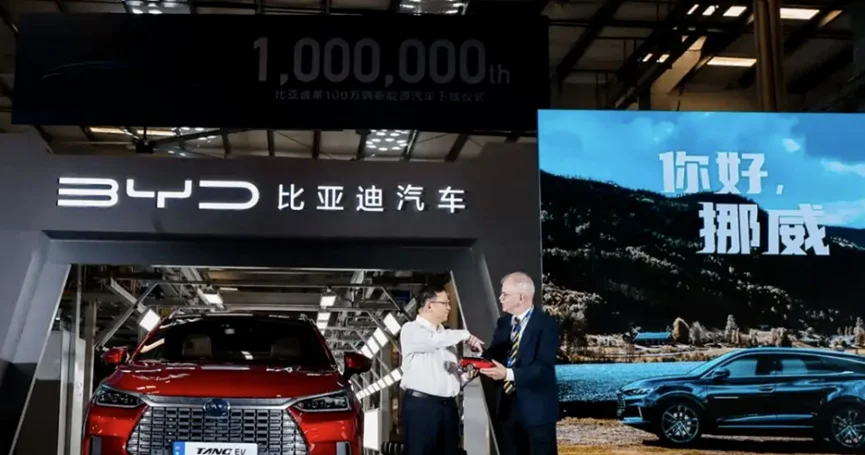
Technology-first, not cheap, is what makes BYD's overseas expansion admirable. Remember, in the fuel vehicle era, German and Japanese technologies were often praised in the domestic market. Now, BYD's new energy technology is “turning the tables” and becoming a technological benchmark overseas.
A Cultural Confidence of Chinese Brands
If pragmatism is practice to “win a thousand miles away,” then strategizing is planning “within the command tent.” The two complement each other dialectically. In the process of product and technology overseas expansion, BYD upholds cultural confidence and actively practices cultural export, becoming a model of combining the virtual and the real.
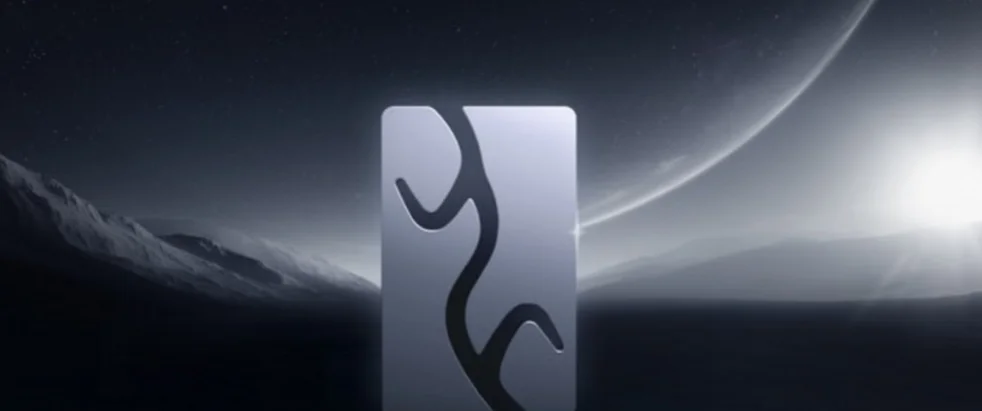
Earlier this year, several videos went viral showing foreigners using broken Chinese to activate the voice recognition system in BYD's car infotainment. Although the dialogue “Ni hao, Xiao ji!” is amusing, the videos show that some overseas BYD users have already mastered Chinese and successfully controlled functions like “open window,” “rotate screen,” and “open settings” via voice commands. Netizens joked that foreigners should also experience original imported features.
Indeed, the videos showed domestic versions of BYD cars. In fact, overseas versions have undergone localization upgrades. After the ATTO 3 launched in Japan, Japanese users generally felt the infotainment system was “quite sincere.” So behind these funny videos is the soft effect of Chinese culture carried by BYD products spreading around the world.
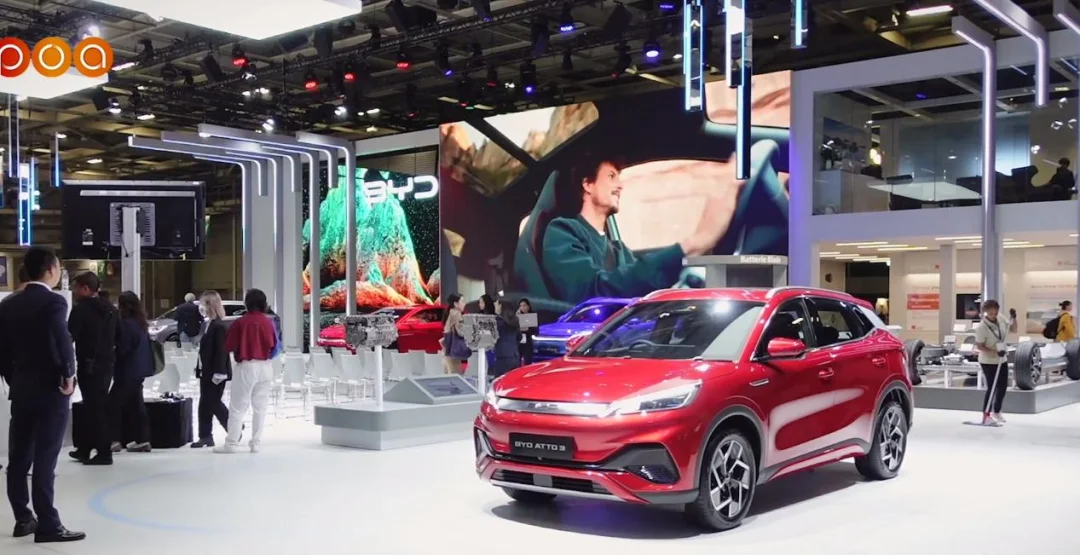
On a broader scale, as a Fortune Global 500 company, BYD insists on technological innovation, pursues green dreams, promotes sustainable development, and helps “cool the Earth by 1°C.” On a personal level, once you choose Chinese smart manufacturing represented by BYD, you accept modern technological products that embody Eastern wisdom, no matter where you are on Earth.
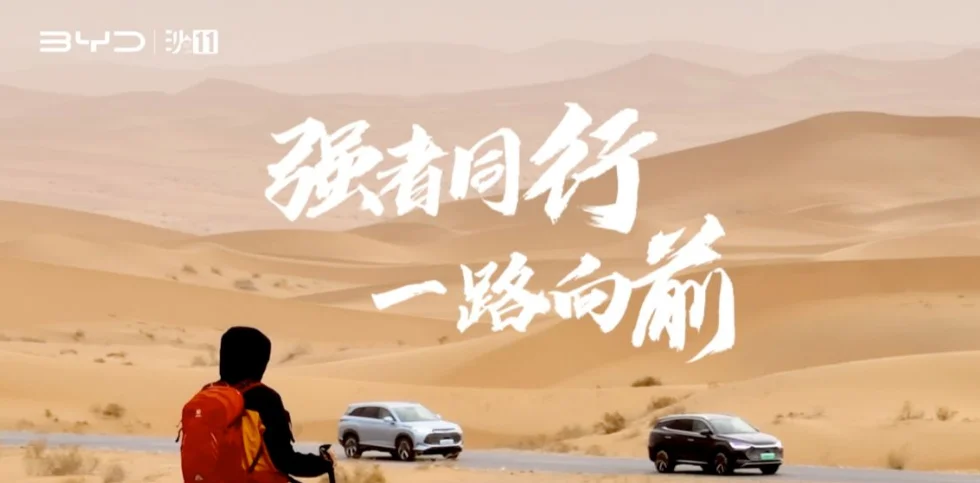
In May 2023, the BYD Cup 11th Asia-Pacific Business School Desert Challenge and the 17th Xuanzang Road Business School Gobi Challenge were held successively. Genuine self-manufacturing and true global brand culture dissemination activities have become an integral part of BYD's brand internationalization. This is a true reflection of BYD's cultural confidence.
In fact, from Chinese character buttons on the interior, to the dragon face design elements, to the logo evolved from oracle bone script for the premium brand Yangwang, BYD's passenger car overseas expansion involves adaptation, adjustment, persistence, and authenticity, but absolutely no flattery.
Final Thoughts
The logic of BYD's passenger car overseas expansion is clear: behind brand confidence lies product confidence; behind product confidence lies technological confidence; behind technological confidence lies cultural confidence, which in turn feeds brand confidence. This nearly perfect closed loop is the moat establishing BYD's global competitive advantage. Therefore, BYD is the absolute protagonist with a halo, and the establishment of systematic competitiveness is exactly its protagonist aura.