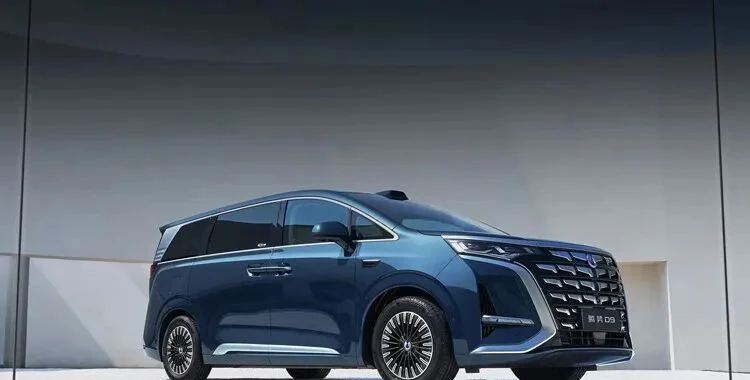
Among Chinese automakers, BYD is perhaps the most creative. With the launch of the second-generation Denza D9, built on BYD's new Heyuan platform, the vehicle doesn't have an exhaust muffler at the rear—seemingly a "downgrade" of a necessary component. But is it really?
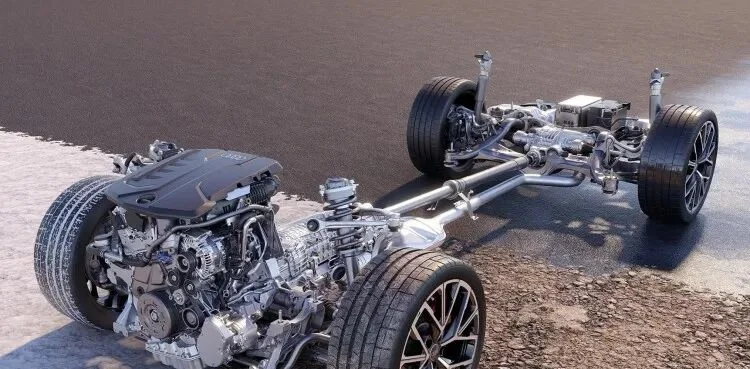
As we know, internal combustion engines generate power through controlled explosions of fuel and air. That process produces loud noise, so mufflers are essential to keep exhaust sounds within acceptable decibel levels.
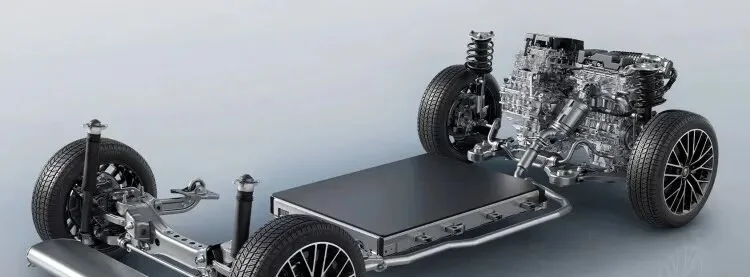
In traditional gasoline cars, mufflers are located in the middle or rear of the chassis. In hybrid electric vehicles (HEVs), the electric powertrain has started to crowd out the exhaust system. For the new Denza D9 DM-i, BYD needed more space for its 66.5 kWh second-generation blade battery. So engineers completely eliminated the rear muffler, leaving only a bare exhaust pipe running from the engine to the tail.
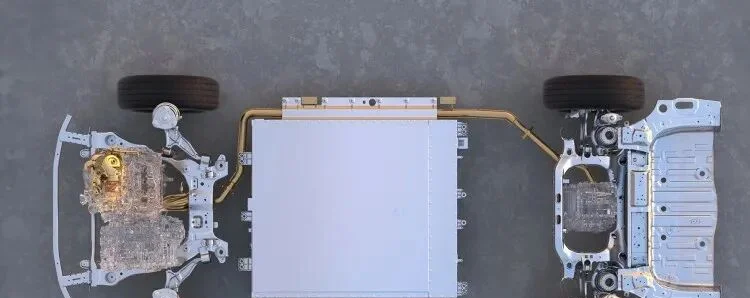
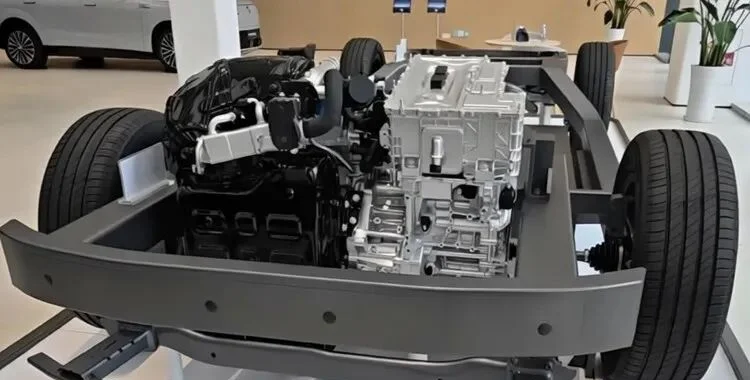
Where did the muffler go? Open the hood of the new Denza D9 DM-i, and you’ll see a square box on the left side of the engine, behind the cooling fan. BYD has integrated the muffler into the front compartment, along with the three-way catalytic converter and particulate filter.
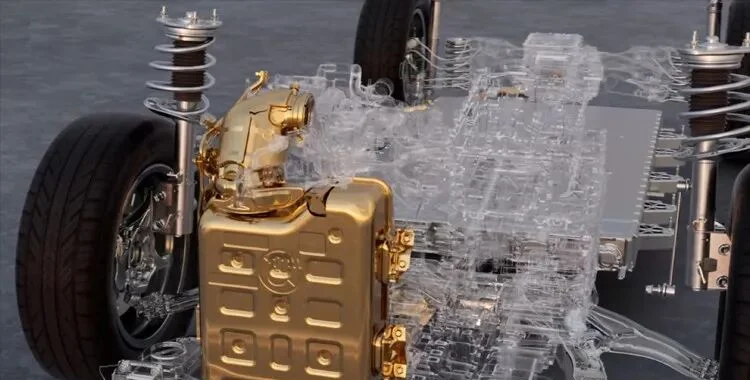
This modular approach to the exhaust system frees up width for the battery pack, enabling a CLTC pure electric range of 401 km. It also allows the battery to be mounted centrally, lowering the vehicle’s center of gravity and reducing understeer during aggressive driving. Additionally, integrating the exhaust components up front improves thermal management; in winter, nearly all engine heat can be utilized.
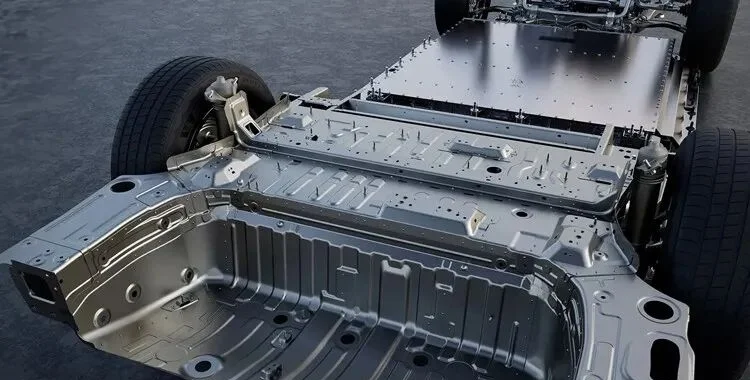
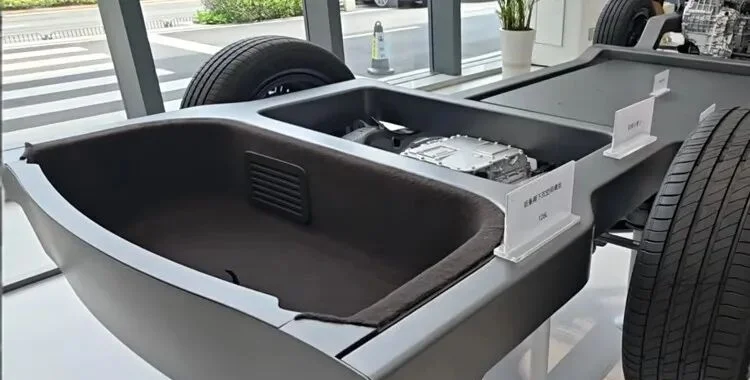
Most importantly, the space previously occupied by the muffler at the rear is now a deep trunk with an additional 126 liters of capacity. Total trunk space reaches 882 liters—something unattainable with a traditional layout.
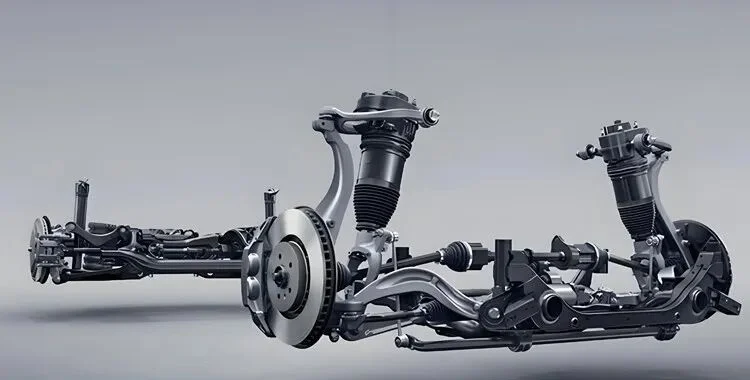
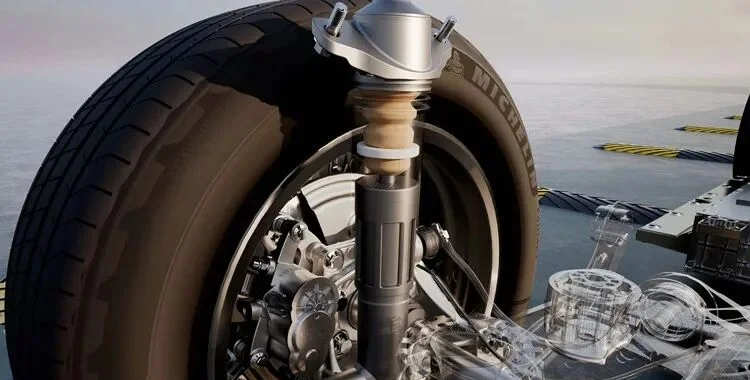
Of course, achieving this trunk width required some sacrifice in the rear suspension. The Denza D9 uses BYD’s YunLian-C dual-valve shock absorbers with active preview, offering adjustable damping in both compression and rebound. However, it lacks the air springs and chassis lift function found in some rivals.
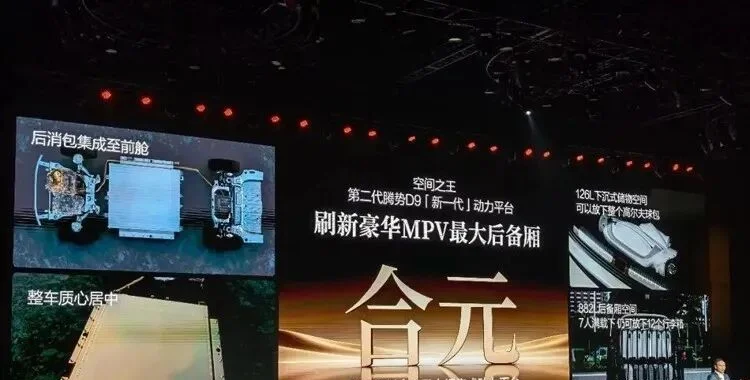
BYD has proven again that it can innovate by completely rethinking powertrain layout. The Heyuan platform enables a long-range hybrid MPV with exceptional trunk space—an impressive feat of design, engineering, and manufacturing. Perhaps only BYD, with its deep vertical integration, could pull off such an optimization.