Recently, a self-proclaimed battery blogger conducted a controversial test on BYD's second-generation blade battery. First, he drilled several holes in the bottom of the battery pack of a BYD Fangchengbao T3 (removing structural adhesive to attach temperature probes to the battery bottom), then refilled the holes with structural adhesive and performed a flash charging temperature test. Some measurement points exceeded 76°C, triggering widespread online discussion.
In reality, setting aside the data, whether such crude test methods comply with national standards is highly questionable. If the test method does not meet standards, the results are unreliable and unconvincing.
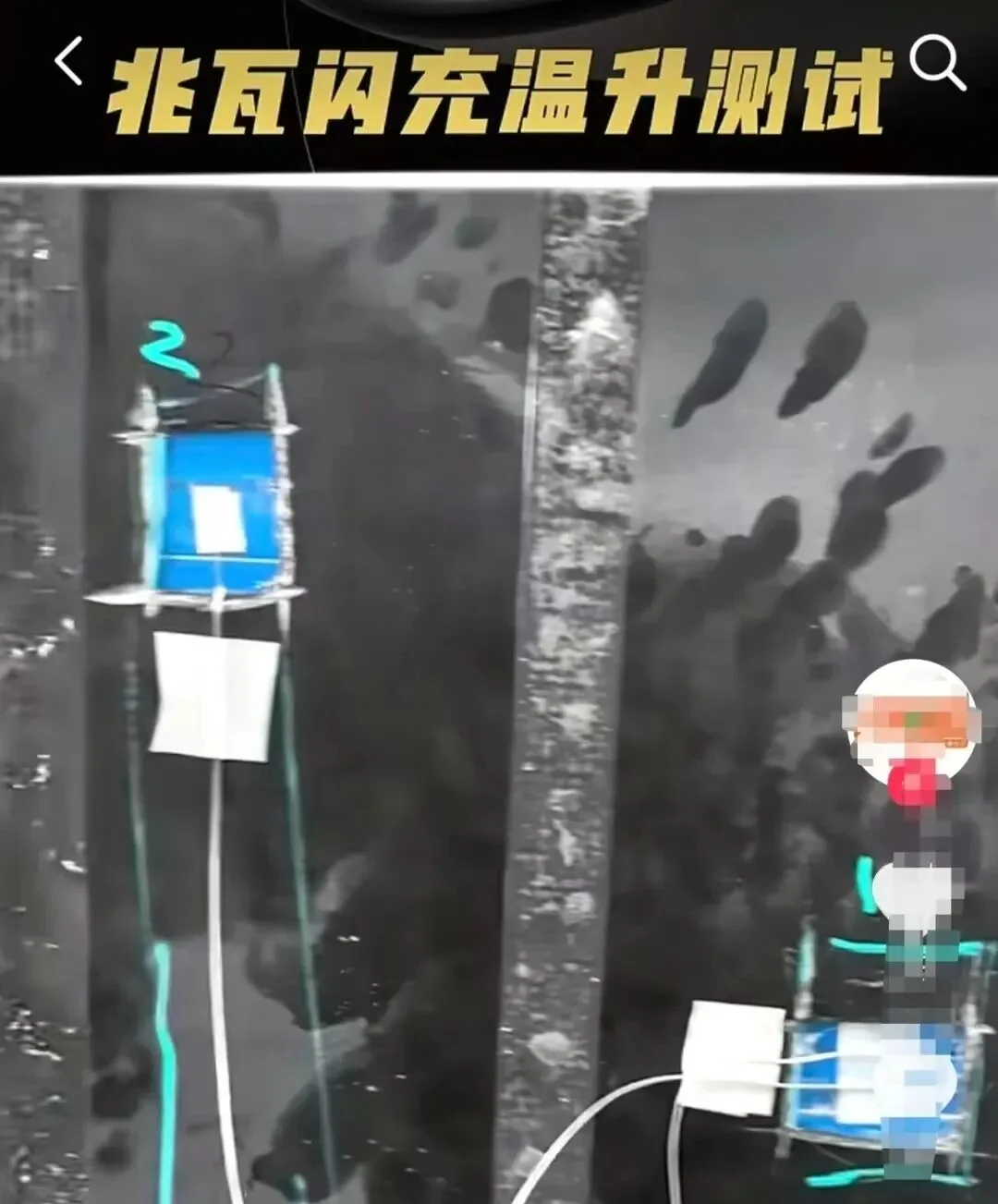
Firstly, the blogger deliberately chose measurement points that maximize temperature readings—locations far from cooling systems, at the bottom, and in the center, which naturally have the worst heat dissipation. These are clearly not the standard measurement points defined by national standards or automakers, so the data cannot be directly used to judge battery safety or lifespan.
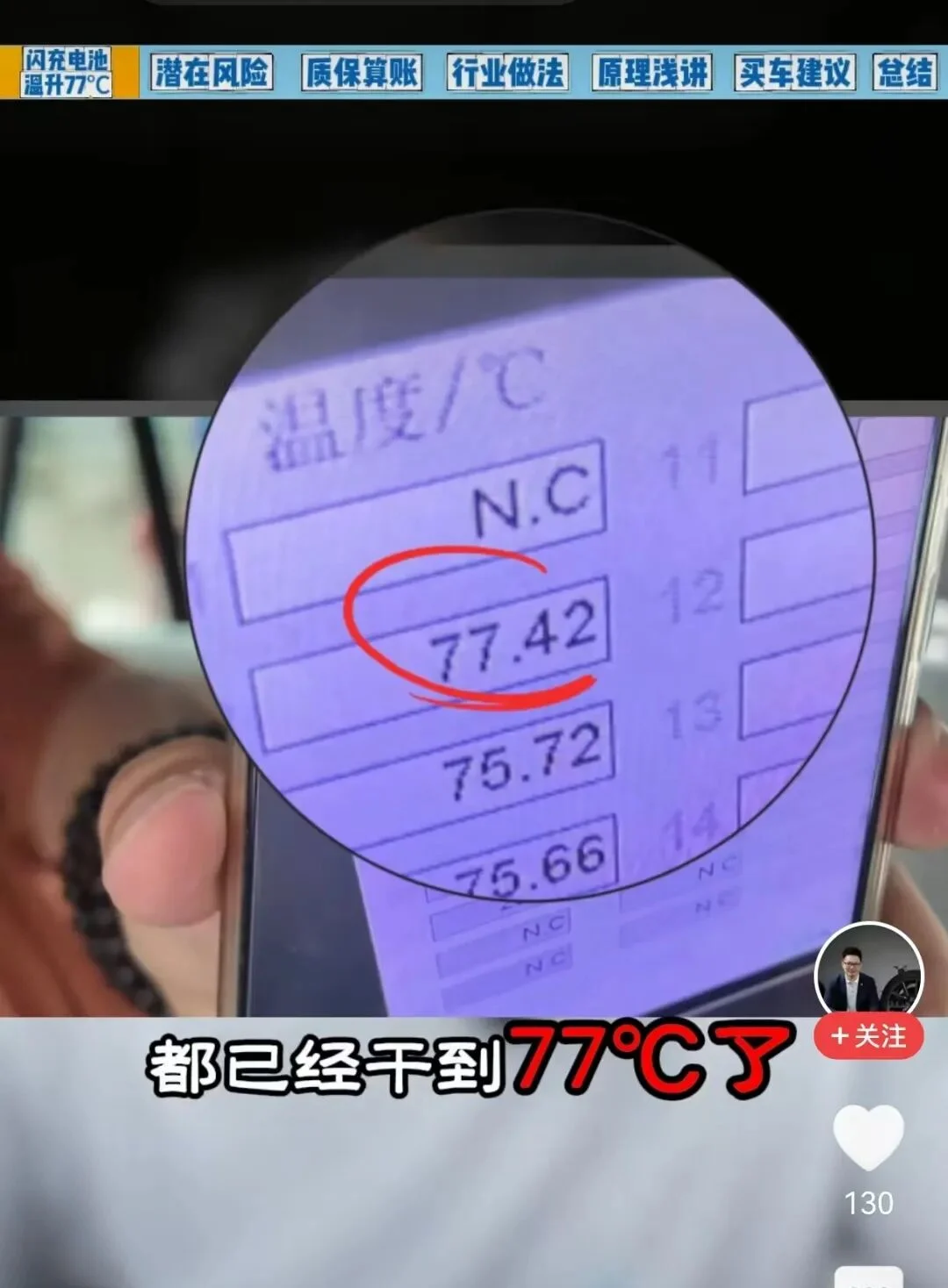
Secondly, the test method damaged the original structure, affecting heat dissipation. Attaching temperature sensors required removing structural adhesive and partially removing aerogel pads from the cell surface, artificially creating localized thermal insulation or hot spots. This made the measured temperatures higher than those of an intact factory state, violating the principle of testing in a complete, original state as required by national standard GB38031-2025.
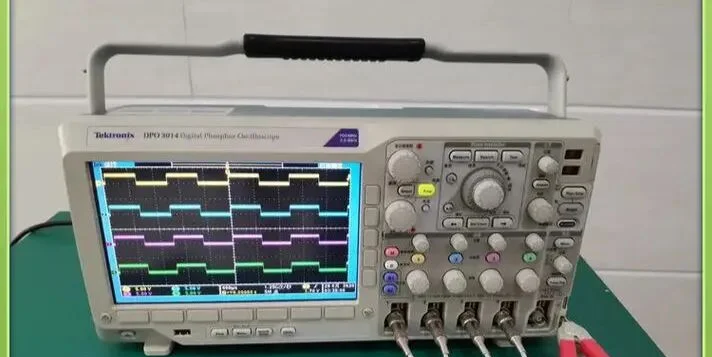
Lastly, it is unclear whether all instruments used by the blogger—including the oscilloscope, temperature sensors, and data logger shown during the live stream—have valid certificates, such as calibration certificates. Without calibrated measurement devices, the accuracy of the readings cannot be guaranteed. The blogger never presented valid calibration certificates, further undermining the credibility of his results.
If the blogger had stopped there, his lack of expertise might not have been fully exposed, but he then proceeded to remove the battery from the vehicle and disassemble it live on camera. This operation thoroughly revealed his amateurism and drew mockery from viewers. Comments included: "Can you guys do it? If not, hire some professionals from CATL!" and "With your disassembly skills, you'd go bankrupt even running a scrap metal business."
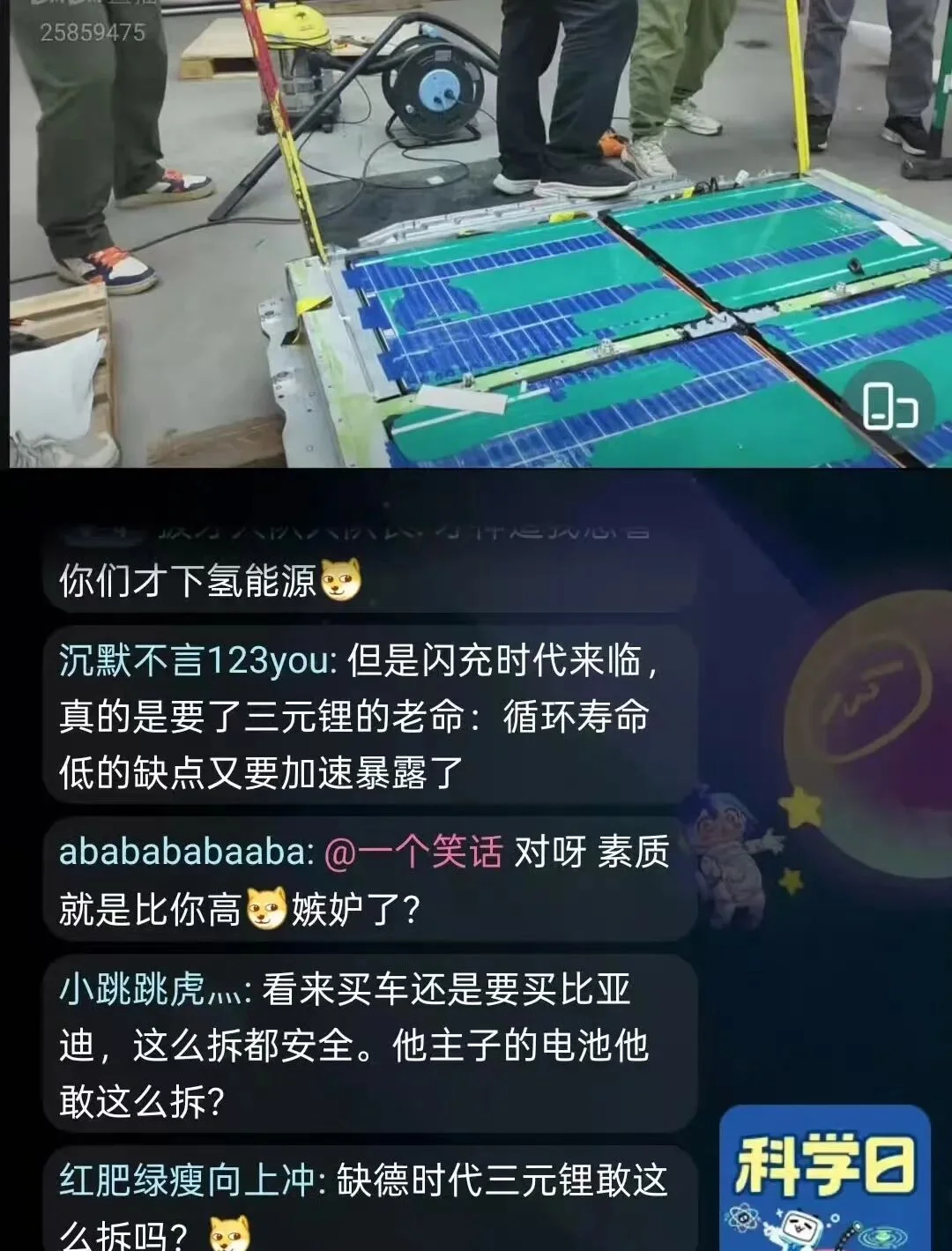
The entire disassembly process can only be described as "brutal and violent." During the live stream, the barrage comments were the highlight.
What is the standard procedure for professionally disassembling a high-voltage battery pack from a new energy vehicle? Typically, authorized service centers, battery factories, or recycling companies perform a "reverse assembly, not violent destruction." Because high-voltage battery packs carry risks of spontaneous combustion and explosion, they are classified as dangerous goods. The standard steps are:
- Disconnect low-voltage (12V) first, then the high-voltage interlock.
- Use professional loads to discharge residual high-voltage electricity.
- Confirm zero voltage with a multimeter or voltage detector.
- Use specialized tools (e.g., sockets, torque wrenches, specific clip tools) to disassemble without damaging the structure.
- Sequence: outer casing → high-voltage connectors → modules → BMS → cooling system.
- Blade batteries are fixed with high-strength adhesive, bolts, and seals. The most challenging part is removing the structural adhesive, which may require heating, specialized pullers, or removing the entire module.
- Throughout the process, maintain insulation, fire prevention, and antistatic measures: insulated gloves, insulated shoes, goggles, fireproof blankets, etc.
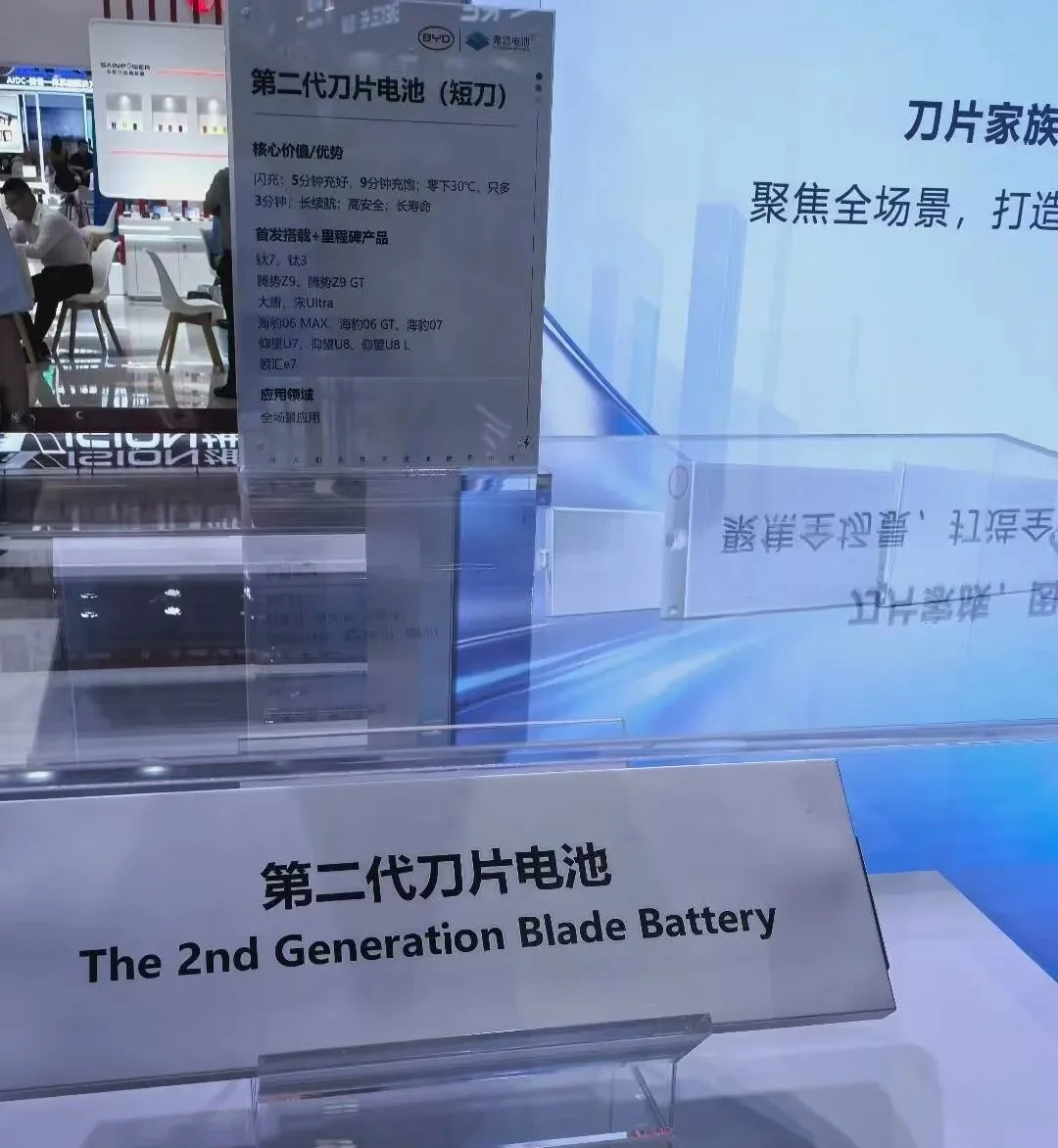
In contrast, the blogger's live disassembly was crude: he used crowbars, hammers, chisels, angle grinders, electric saws, drills, and wire saws. He pried open the battery case with brute force, cut frames and adhesive with an angle grinder, sawed through the housing and wiring, and even had two people standing on the battery, smashing it with a sledgehammer. After 3 to 6 hours of struggling, unable to remove the adhesive or open the casing, he finally managed to extract a single cell with tremendous effort—but the entire pack was left unrecognizable and irreparable.
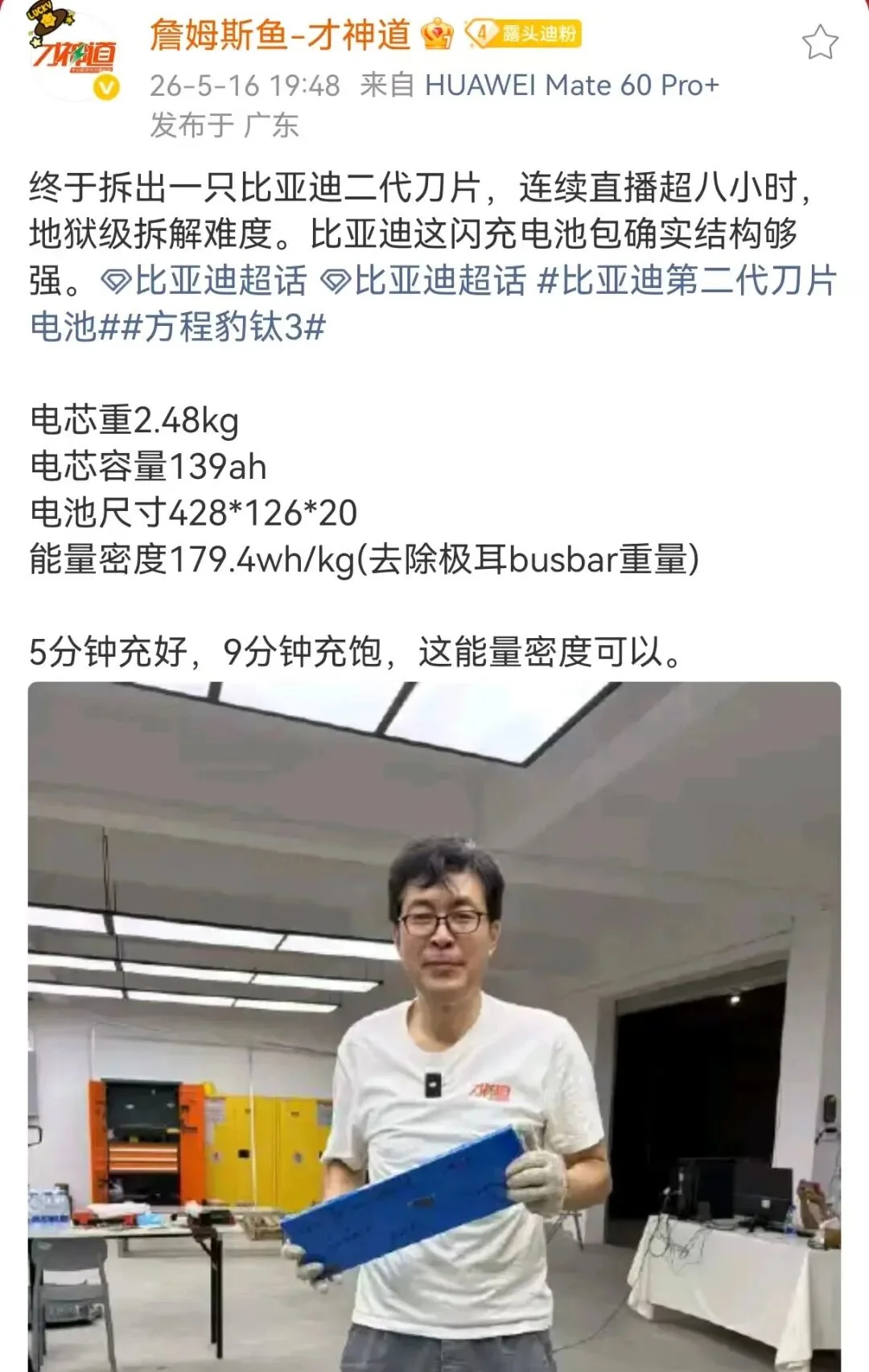
After over 8 hours of continuous livestreaming, they finally removed one cell from BYD's second-generation blade battery. The blogger described it as "hellish difficulty" and admitted that BYD's flash charging battery pack structure is indeed strong.
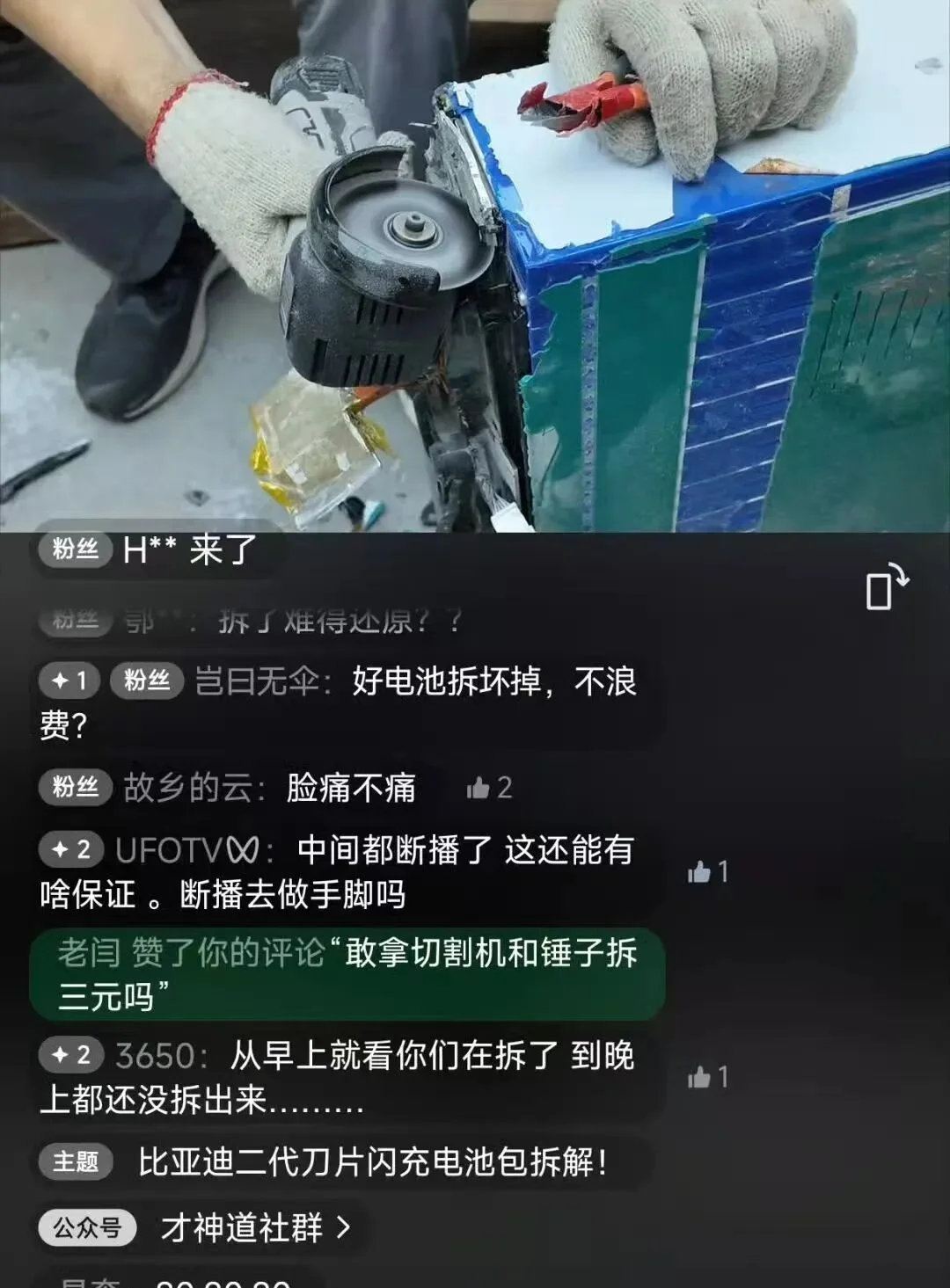
He also provided measurements: cell weight 2.48 kg, capacity 139 Ah, dimensions 428×126×20 mm, energy density 179.4 Wh/kg. In comments, he noted that this energy density cannot compete with ternary lithium batteries.
Viewers immediately demanded he dismantle a CATL ternary lithium battery pack—the model claimed to be the safest—using the same method, and measure its energy density.
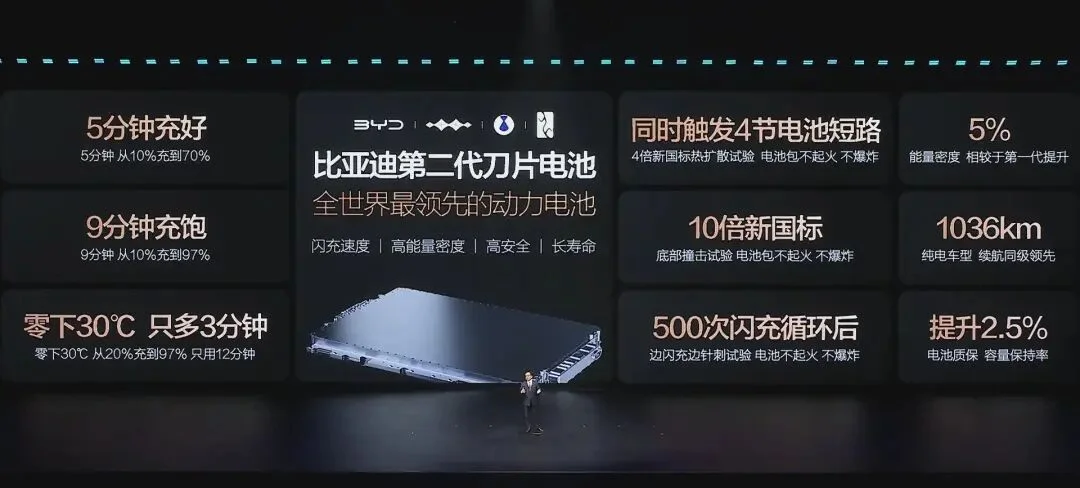
In my opinion, the blogger is not foolish. He dared to violently disassemble BYD's second-generation blade battery because he knew it was safe. This battery has safety margins far exceeding national standards: it did not ignite even during simultaneous flash charging and nail penetration tests; it withstood a bottom impact test at 1500J (10 times the national standard), equivalent to a 1.5-ton object falling from 1.5m, with the pack remaining structurally intact, no fire, no explosion. So sawing and prying posed little life threat.
But a ternary lithium battery pack is different. Its chemical properties make it prone to fire and explosion. If a cell is violently damaged—for example, punctured—it will almost certainly ignite and explode. Therefore, the blogger would neither attempt nor dare to disassemble a ternary lithium pack using such violent methods.
Despite the unscientific and unreasonable testing and disassembly methods, the exercise did prove one thing: BYD's second-generation blade battery is very safe. Vehicles equipped with this battery can be purchased with confidence.
What do you think? Thank you for reading. If you liked the article, please like and share!