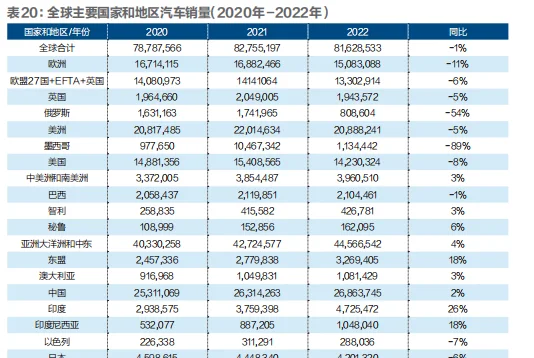
BYD has been making strong inroads into overseas markets since the second half of 2022, but has encountered headwinds in 2023. Incidents include media exposure of hexavalent chromium in BYD bus parts, allegations of surveillance risks in UK media, vandalism at Hong Kong stores, and collective resistance from Japanese dealers. The background is the shifting global auto landscape as Chinese carmakers gain ground.

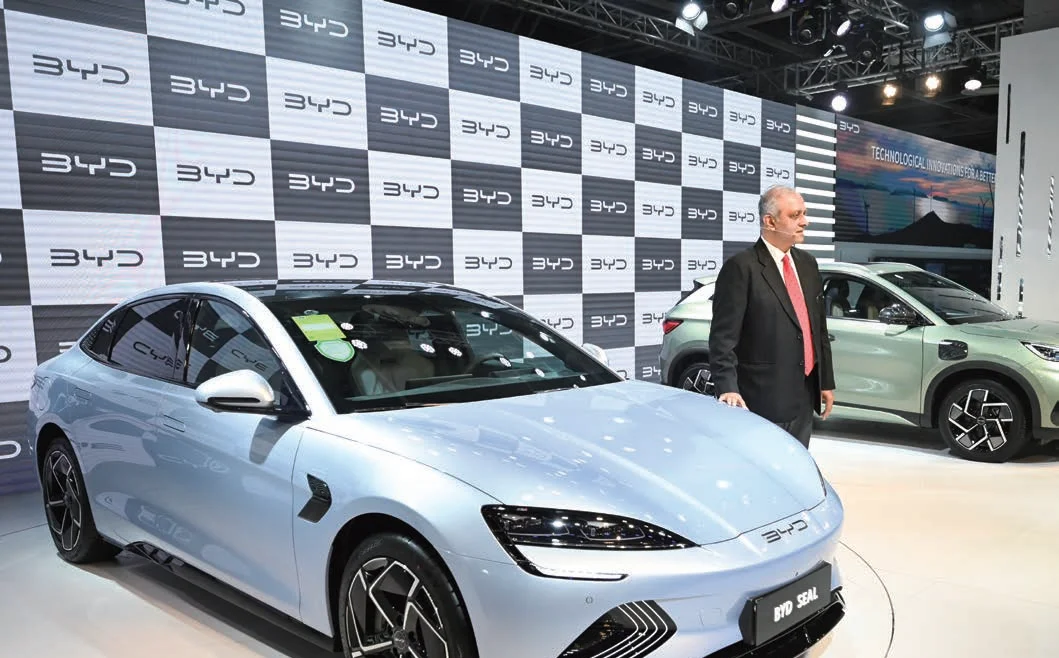
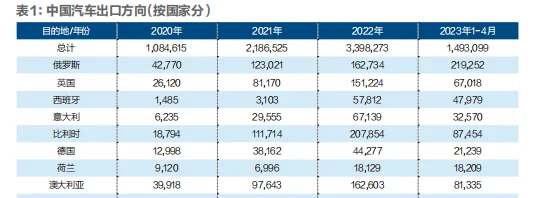
In 2022, China became the second-largest car exporter, and in Q1 2023 it surpassed Japan. BYD's overseas expansion targets markets overlapping heavily with Japanese automakers, such as Southeast Asia, Middle East, Australia, and Europe.
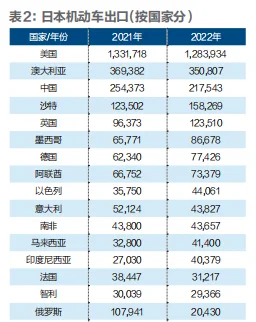
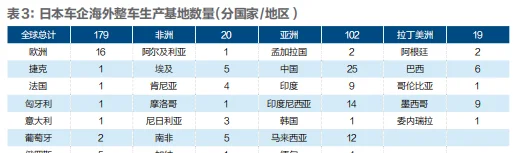
Japan's auto empire has three tiers: the outer circle (Europe, US, South America, etc.) where competition is fierce; the middle circle (Southeast Asia and India) where Japanese brands hold monopolistic advantages; and the inner core (Japan itself) which remains impenetrable to foreign brands. However, Chinese EVs are breaking through the outer circle and even making inroads into the middle circle.
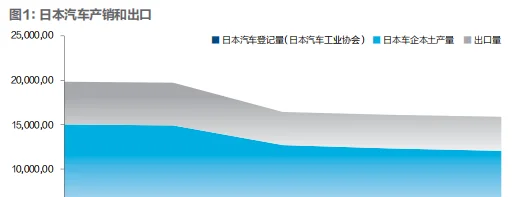
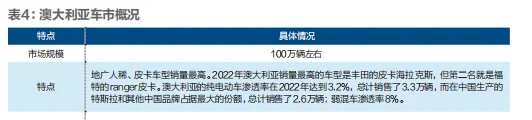
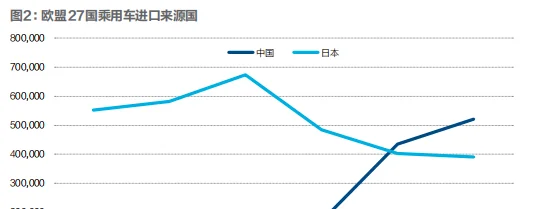
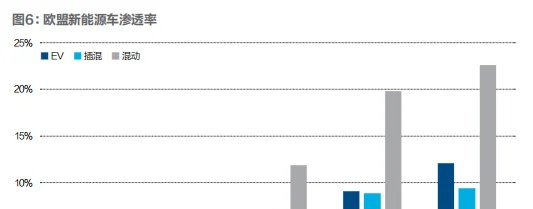
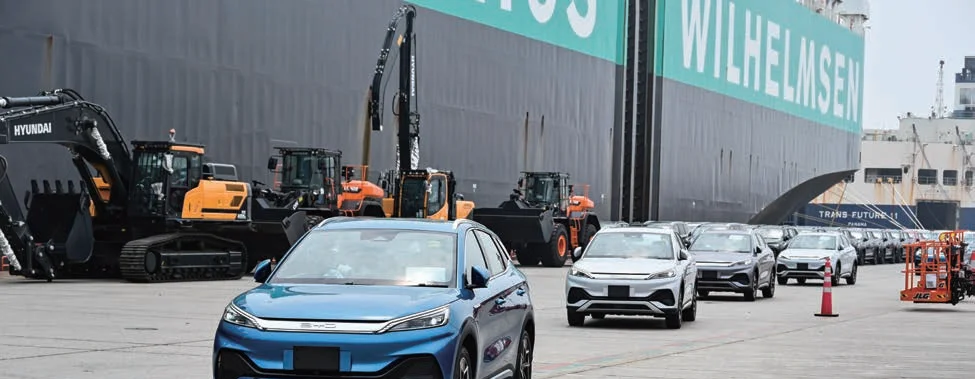
In Israel, BYD ranked fifth in sales in early 2023. In Australia, Chinese models outperform older Japanese counterparts. In Europe, Chinese car exports surged while Japanese exports declined. BYD is also building factories in Brazil and Thailand. Despite challenges, Chinese carmakers are reshaping the global market, posing the biggest threat to Japanese automakers.