On January 12, Sanjay Gopalakrishnan, Senior Vice President of BYD India, stated in an interview that BYD hopes to capture 40% of India's electric vehicle market by 2030. Following this statement, BYD's stock rose 3.09% on January 12, with intraday gains of over 5% in A-shares and over 9% in Hong Kong, hitting a four-month high.
BYD's overseas achievements are the most successful among Chinese domestic brands, and its expansion model is one of the few proven effective. This article reviews BYD's global expansion journey.
01. BYD's Global Expansion Path
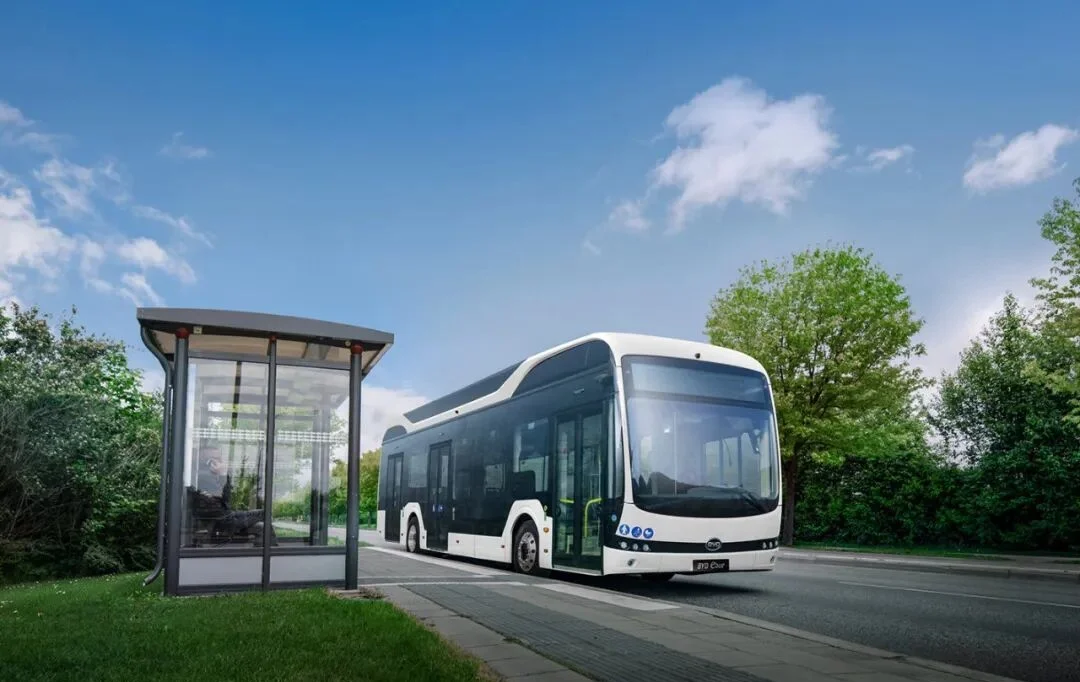
In 2003, the same year Tesla was founded, Wang Chuanfu acquired Qinchuan Automobile, entering the automotive industry and starting early R&D on new energy vehicles. After nearly a decade in China, BYD began exporting vehicles in 2012, securing its first electric bus order in the Netherlands. From 2014 to 2017, BYD ranked first globally in pure electric bus sales for four consecutive years.
BYD's commercial vehicle exports also include airport shuttles, urban logistics, and more. Countries such as Sweden, Mexico, and the Netherlands have purchased BYD electric trucks. BYD has also cooperated with local governments in El Salvador and Brazil to build skyrail projects. To date, BYD has delivered over 85,000 pure electric commercial vehicles globally, including over 70,000 electric buses.
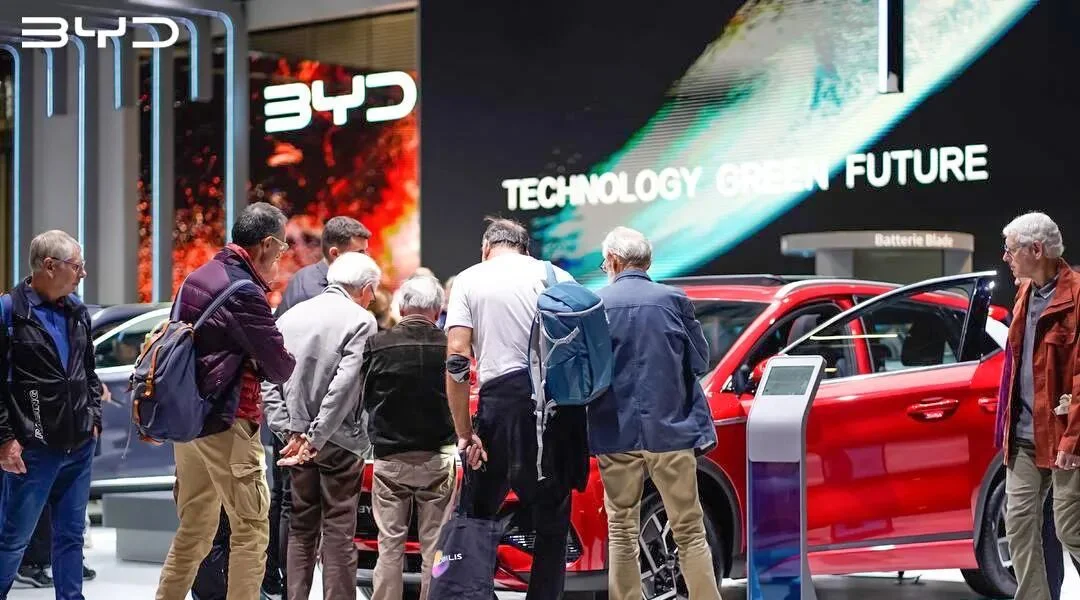
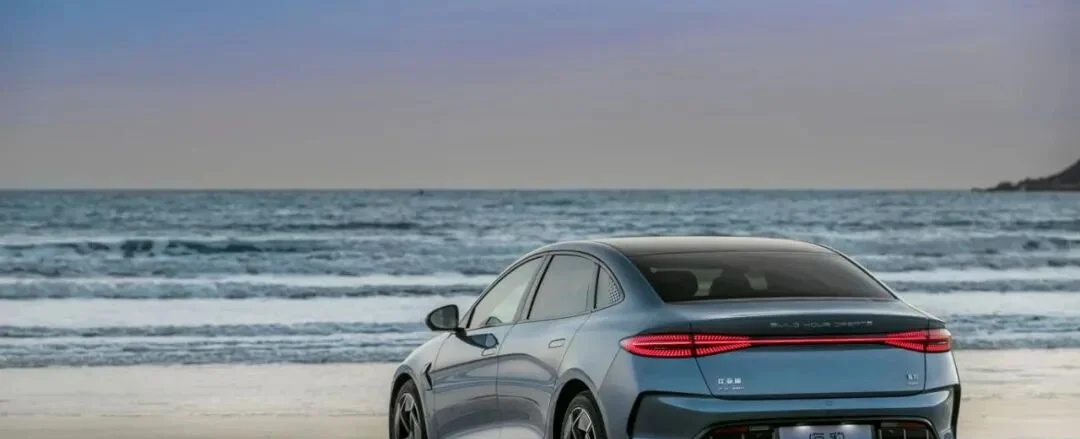
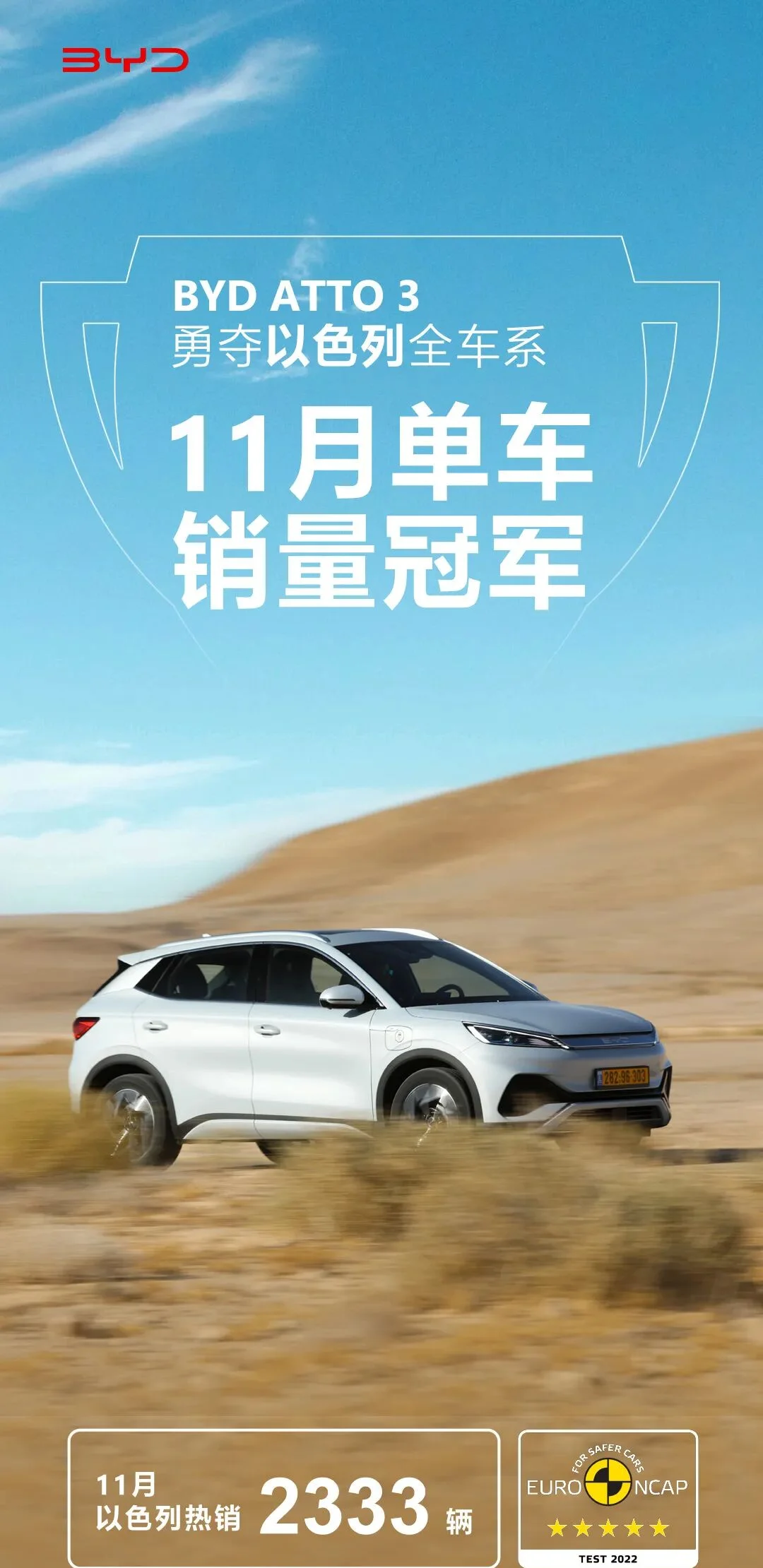
In the past two years, BYD has accelerated its passenger vehicle exports. In 2022, BYD launched three models (ATTO 3, Dolphin, Seal) in Japan, entered Sweden and Germany through Hedin Mobility, launched in Thailand, and debuted at the Paris Motor Show. From July to December 2022, monthly overseas passenger vehicle sales were 4,026, 5,092, 7,736, 9,529, 12,318, and 11,320, totaling over 55,916 units. The ATTO 3 became the best-selling single model in Israel in November 2022.
02. From Commercial to Passenger Vehicles
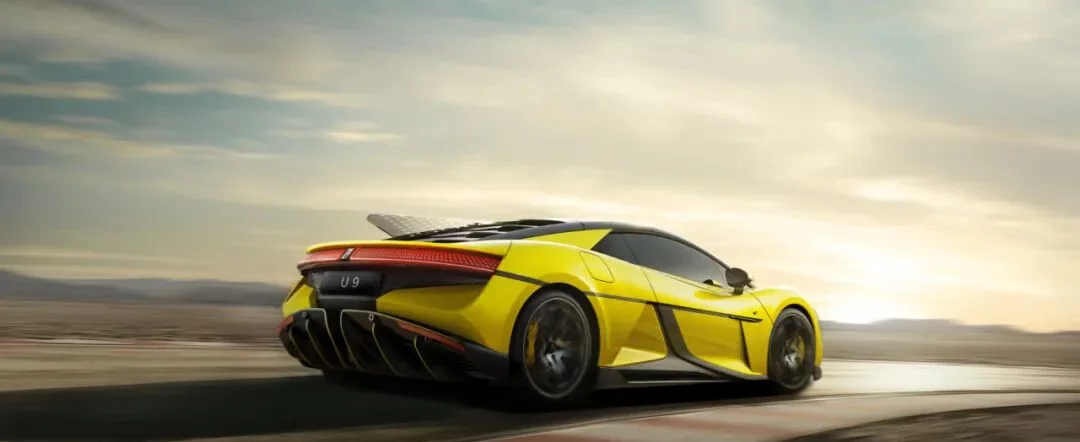
BYD adopted a “business first, consumer second” strategy, focusing first on B2B public transport before entering the passenger car market. This approach allowed BYD to build brand acceptance and refine its sales system. However, it risks associating the brand with low-end products, which BYD is addressing with its premium “Yangwang” brand. BYD also uses a “light asset” model by partnering with local dealers, which facilitates rapid expansion but may hinder brand building.
03. The Past is Prologue


BYD's overseas expansion is methodical. While pushing passenger cars, it secured a deal with Germany's largest car rental company SIXT to supply 100,000 EVs over six years. BYD has also signed agreements for a factory in Thailand (expected to start operations in 2024) and a wholly-owned factory in India, and partnered with Shell to deploy charging services abroad.
BYD's strengths lie in its technology and vertical integration, but its weakness is in intelligentization (smart driving and smart cockpit). How to address this is a major challenge for the company.
BYD's passenger vehicle export journey has just begun. Whether it can replicate its commercial vehicle success remains to be seen, but at present, BYD represents the ceiling of Chinese domestic brands.