With a female perspective, we bring you warm automotive news. As the first 'global top five auto show' after three years of the pandemic, the Munich Auto Show garnered unprecedented attention, partly due to heavy participation from Chinese automakers.

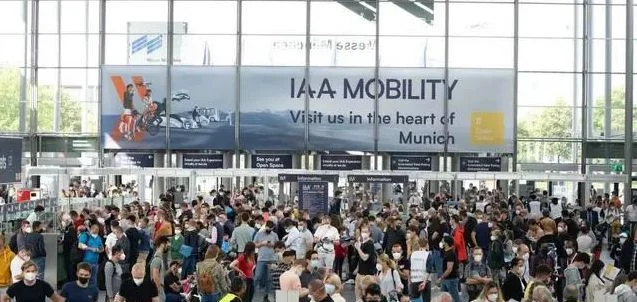
According to statistics, besides European and American automakers like BMW, Mercedes-Benz, Audi, Volkswagen, and Ford, Japanese and Korean carmakers were largely absent. In contrast, Chinese OEMs including BYD, Avatr, Leapmotor, XPeng, Seres, MG, and Dongfeng Group participated, along with battery and software suppliers such as EVE Energy, Horizon Robotics, ECARX, and WeRide.
Chinese media quipped, 'Germany sets the stage, China performs.' U.S. media reported, 'Munich is no longer Germany's home turf; it has become a personal show for Chinese automakers.' European media noted, 'BYD is expanding into Europe by targeting key markets and building retail networks, becoming a major threat to European brands.'
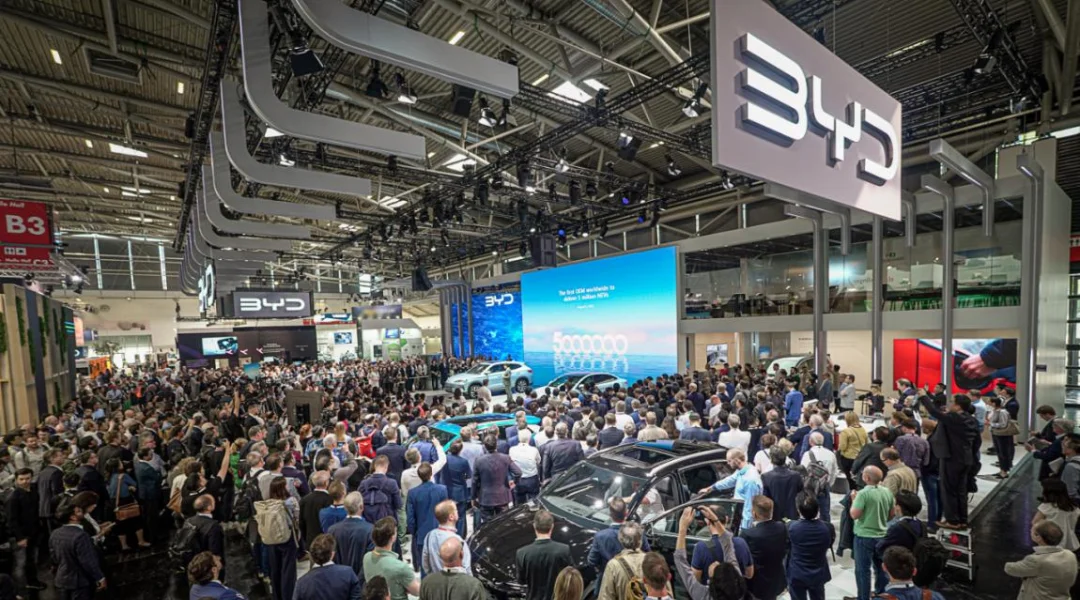
After the Shanghai Auto Show, Chinese auto brands, absent from international stages for three years, once again became the focus of the global automotive industry. German Chancellor Olaf Scholz acknowledged Chinese achievements in electrification and encouraged German companies to 'be motivated, not intimidated, by competition from Chinese EVs.'
Among exhibitors, BYD attracted the most attention, not only for securing the largest booth and unveiling six NEVs—Seal, Song PLUS EV Champion Edition, Yuan PLUS (BYD ATTO 3 overseas), Dolphin, Han, and Denza D9—but also as the world's first automaker to fully commit to new energy and the global sales leader in NEVs. In 2022, BYD sold 1.8685 million vehicles, far exceeding Tesla's second-place numbers.
According to MarkLines, BYD sold 1.2556 million vehicles globally in the first half of 2023, surpassing Mercedes-Benz and BMW to enter the 'top 10 global automakers' for the first time—a milestone for Chinese brands and the first time a Chinese automaker outperformed joint venture brands in sales.
BYD's profitability also improved. Its H1 2023 revenue reached 260.124 billion yuan (up 72.72% YoY), and net profit attributable to shareholders was 10.954 billion yuan (up 204.68% YoY).
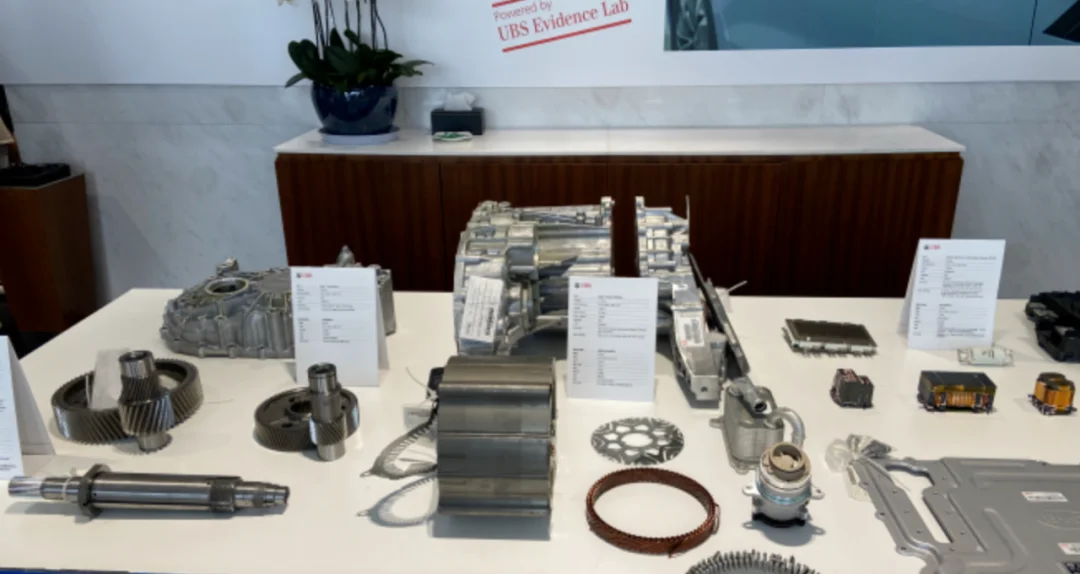
Behind this profitability lies BYD's remarkable cost control. On the opening day of the Munich Auto Show, UBS Securities released a teardown report of the BYD Seal, revealing that about 75% of its parts are self-produced. The Seal's production cost is 15% lower than Tesla Model 3 and about 35% lower than comparable models from Volkswagen manufactured in Europe.
Renault CEO Luca de Meo also commented, 'Chinese cars are clearly very competitive in the EV value chain.'
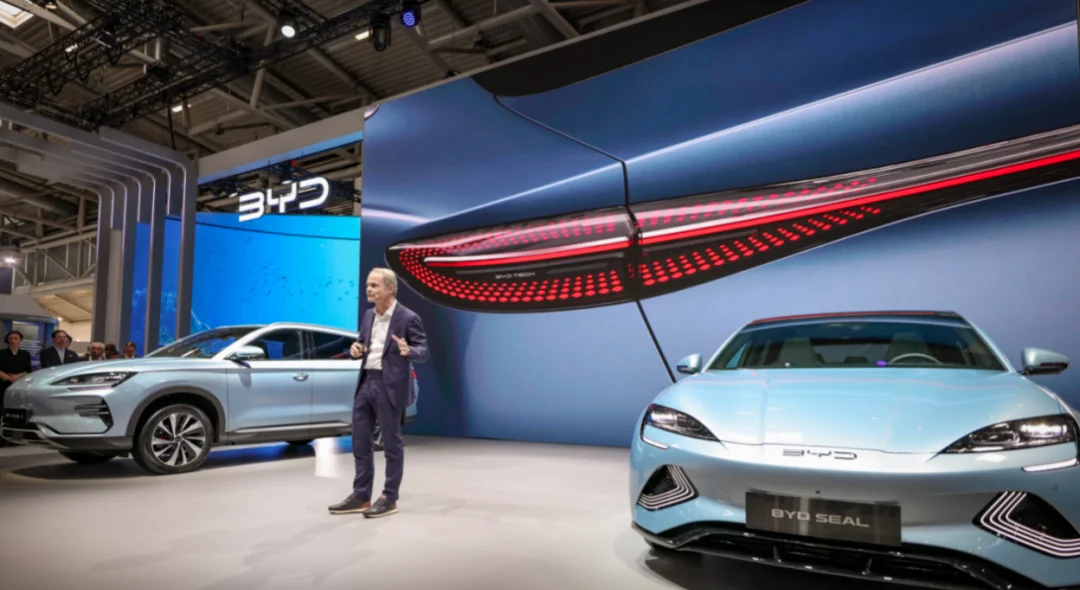
Such cost control gives BYD flexibility. On September 6, BYD launched the Seal DM-i with a starting price under 170,000 yuan, leading media to call it the 'king of volume,' threatening joint venture mid-range cars.
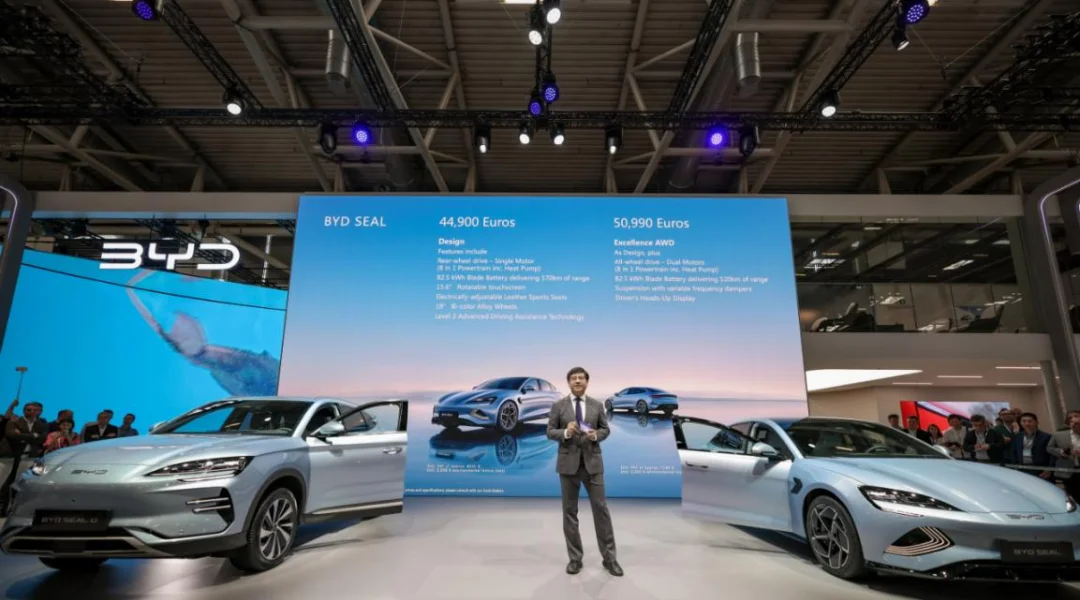
Overseas, BYD's pricing rivals BBA. For example, the BYD SEAL (pure electric version) launched in Munich is priced at 50,990 euros (about 400,000 yuan) and 44,900 euros (about 350,000 yuan), while in China it is 18.98-27.98 million yuan. This disparity reflects China's rapid EV development versus Europe's slower electrification.
'BYD's new energy passenger vehicles have entered 15 European countries, with over 140 stores in the UK, Germany, France, Italy, Spain, etc., through partnerships with local distributors,' said Shu Youxing, General Manager of BYD Europe Automotive Sales Division. He added that BYD will continue to deepen its presence in the European market, enriching its NEV lineup to meet diverse consumer needs.
Europe, especially Germany, is a global automotive stronghold, home to BMW, Mercedes-Benz, Audi, Porsche, Rolls-Royce, Lamborghini, and Bugatti. The market is mature and considered one of the toughest to crack.
Entering Europe is a key step in BYD's overseas strategy, significant not only for BYD but also for Chinese brands going global.
1. Entering 15 Countries, Opening 145 Stores: BYD's Overseas Deployment
BYD's overseas expansion mirrors its domestic growth. In 2021, BYD's domestic sales surpassed 740,000 units. In May 2021, it announced the 'passenger vehicle overseas' plan, starting with Norway.
In 2022, as the world's first traditional automaker to halt production of fuel vehicles, BYD's sales soared to 1.868 million units. In February 2022, the Yuan PLUS (BYD ATTO 3) began pre-sales in Australia. In July, BYD officially entered the Japanese passenger car market, unveiling three models. In September, it launched Han EV, Tang EV, and Yuan PLUS in Europe. In November, it introduced Song PLUS DM-i and Yuan PLUS in Brazil, covering Southeast Asia, Europe, and the Americas.
In 2023, BYD accelerated its overseas pace, holding brand launches in Jordan, Uzbekistan, and Spain, and breaking ground on a passenger car production base in Thailand for wholly-owned overseas manufacturing.
BYD's two focuses in 2023: brand diversification (BYD, Denza, Yangwang, Fangchengbao) covering all segments, and advancing overseas strategy, entering the UK, Spain, Jordan, etc.
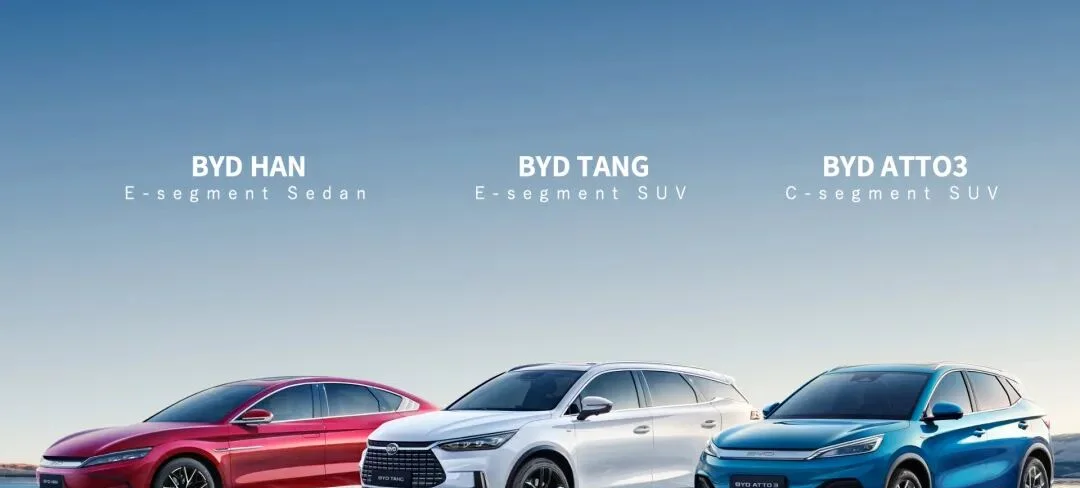
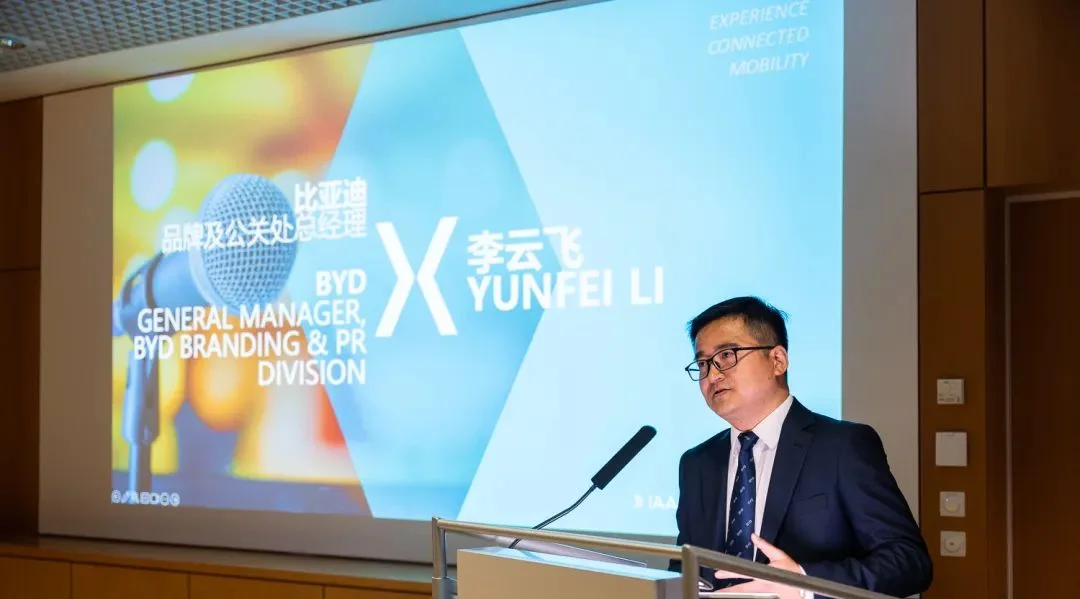
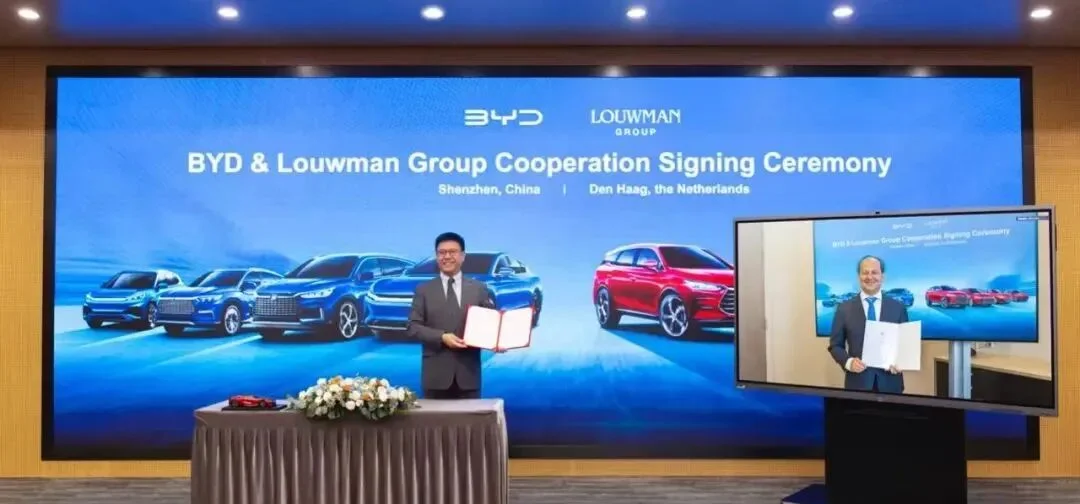
At Munich, BYD's General Manager of Brand and PR, Li Yunfei, stated: 'Within just one year, BYD has signed contracts with many high-quality local European dealers, such as Louwman Group (Netherlands), RSA (Norway), and Hedin Group (Sweden). We've rapidly introduced multiple NEVs to 15 European countries, including Germany, UK, Spain, Italy, France, Netherlands, and Norway, with 145 stores.'
In Germany alone, BYD cooperates with 7 local dealers, with stores in 17 major cities including Frankfurt, Hamburg, and Cologne. Li identified three aspects of BYD's European expansion:
Products: BYD has launched 5 models in Europe in one year, offering diverse options.
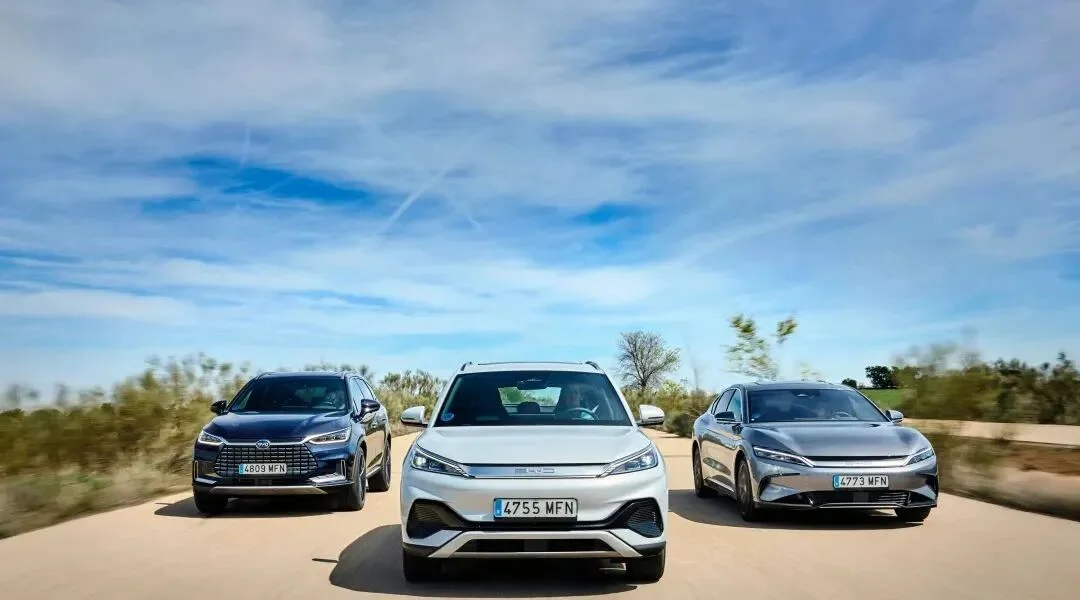
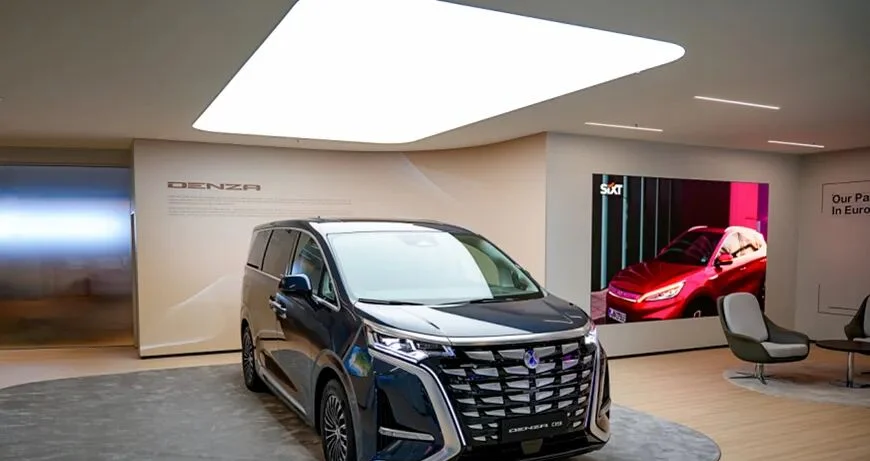
Partnerships: BYD cooperates with local supply chain and downstream partners, sharing innovations in batteries, motors, and electronics to stabilize the supply chain and provide valuable after-sales services. In October 2022, BYD signed an agreement with global rental company SIXT for at least 100,000 NEVs over six years.
Localization: BYD actively expands local investments and builds a local talent team. With over 20 years of overseas experience, BYD has formed a mature international business and management team, and is progressively localizing talent in overseas markets.
2. Advancing Overseas Strategy to Become a Global NEV Enterprise
Automotive globalization is essential. As Chinese brands grow in competitiveness, going overseas is a must to become an automotive powerhouse. Over the past year, Chinese brands have embraced this trend. But it's not easy; many start with Southeast Asia and South America. However, only by succeeding in markets with mature automotive industries can China gain a voice globally.
For example, Europe, the birthplace of the auto industry, has strong local brands. Four out of every five cars sold in Europe are locally made. Over the past decade, Europe's auto trade surplus reached 70-110 billion euros annually. Japan is also an insular market, with Toyota leading, plus Nissan, Honda, and Mazda. Japanese brands hold 90% of the domestic market, while German brands hold 64.8% in Germany.
Now, BYD has entered both markets. In Europe, BYD has introduced multiple models and partnered with local dealers to open stores. Recently, media like DW (Germany) and Auto Motor und Sport gave positive reviews to the BYD Atto 3.
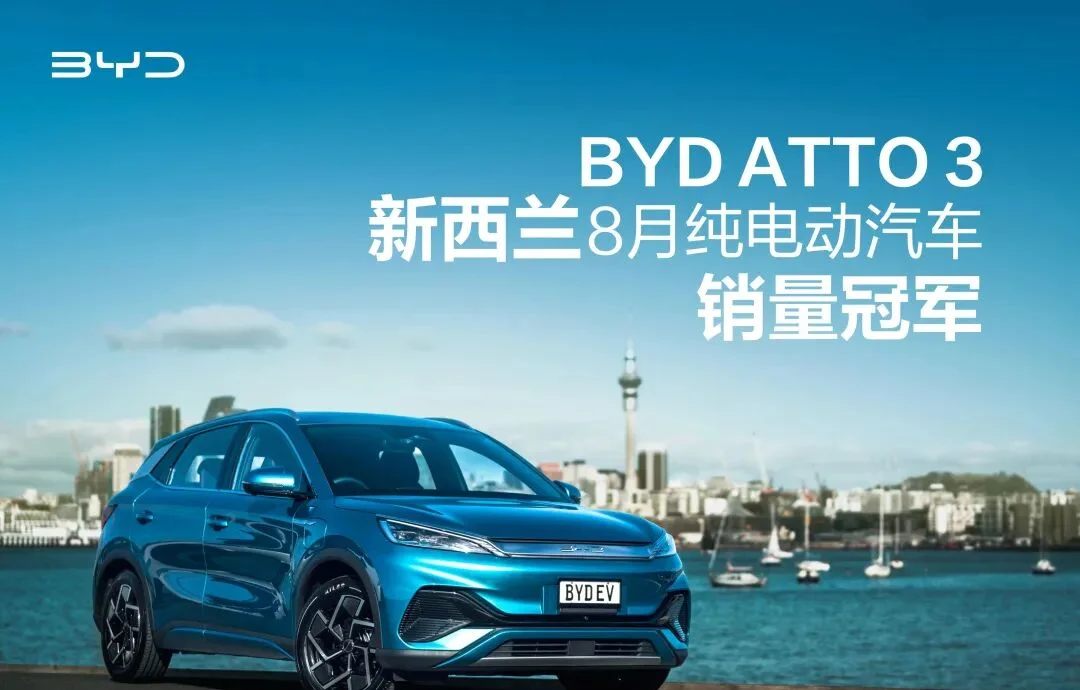
The Yuan PLUS is popular globally. According to Best-selling cars blog, BYD ATTO 3 has been Israel's top-selling vehicle for nine consecutive months and New Zealand's top-selling EV in some months.
With the addition of Dolphin, Seal, Song PLUS EV, and Denza D9, overseas sales are expected to grow. BYD NEVs now cover 54 countries and regions. Overseas monthly sales exceed 10,000 units; total overseas sales in H1 2023 reached 74,289 units, surpassing last year's total. In August, BYD's passenger car exports exceeded 20,000 units, reaching 25,000.
An investment firm predicts BYD's 2023 passenger car exports could reach 250,000 units.
For BYD, going overseas boosts sales and profits, and is essential to becoming a global automaker.
Conclusion
As BYD Chairman and President Wang Chuanfu said at the H1 results meeting: 'It's an era of fast fish eating slow fish, not big fish eating small fish. If automakers don't charge ahead in the next 3-5 years, they will miss the opportunity. The key to success lies in core technology, a good strategic direction, and a quick decision-making mechanism.'
The overseas strategy, one of BYD's two key strategies this year, reflects its crisis awareness and long-term vision. Whether through new products, partnerships with overseas suppliers and dealers, or factory construction, BYD shows determination to become the global leader.
Now that BYD has entered the global top 10 automakers, when will it break into the top three? It's worth waiting to see!