"Yeon-jin!" the cast of Black Dawn might not have anticipated that their most memorable line would be this: "Yeon-jin!"

Yeon-jin, you don't need to sleep at all? Or are Koreans really not sleeping?
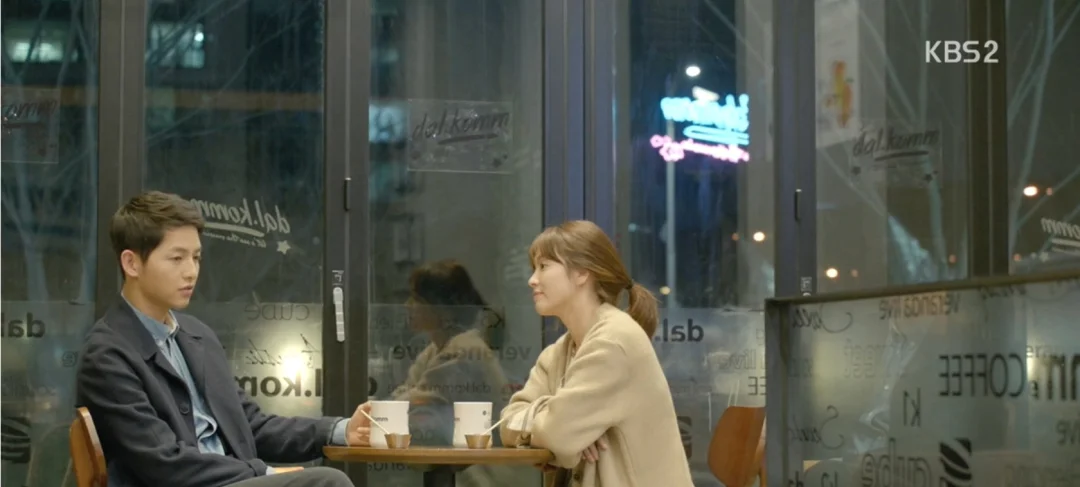
Have they been genetically modified? After watching the Korean drama Swap Love 2>, you'll understand how bizarre Korean schedules are.

Originally, the content was about six male guests gathering under a veranda to interact, chat, pursue new and old loves. However, these people often eat dinner as late as 9 PM, continue drinking and chatting until 1 AM, and then walk around until 3 AM, return home to work out by 5 AM...
After staying up all night, they only say goodnight at 7 AM. Normal people might go home to rest after a date, but they only take a shallow nap, and by 10 AM, they're already heading out to work...
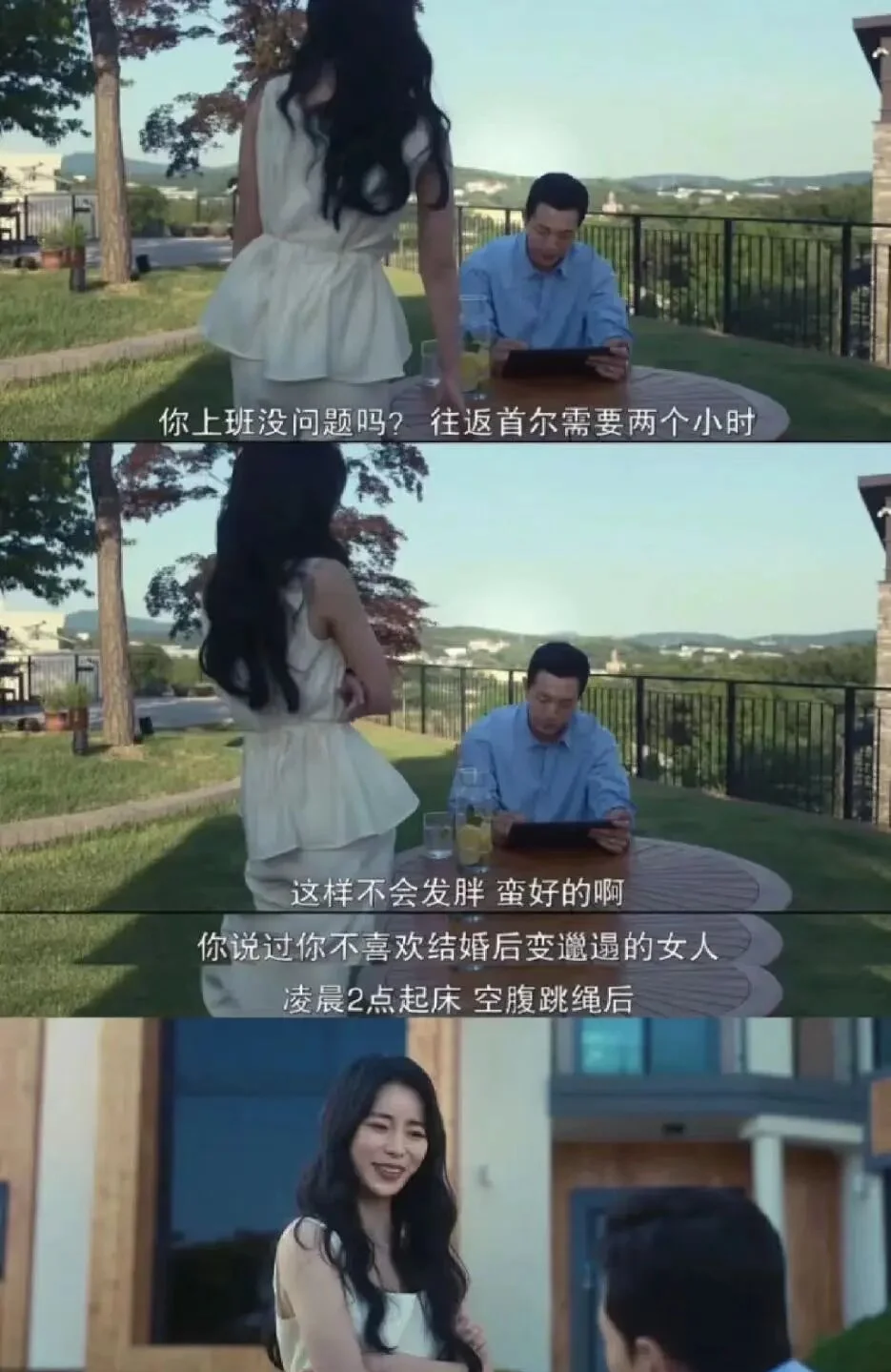
When you search "Korea" on a certain book, the first result is a huge question mark: "Do Koreans not sleep?" After all, in Korean dramas, male and female leads, even after working late, closing the office lights, still have the energy to date, eat grilled meat, drink soju, have a gathering, and even after the gathering ends, they have to move to another place, and even after that, they go to the gym. No matter how wild the fun, how late the farewell, or how short the sleep time, they still appear radiant and well-groomed the next day, greeting you.

What is "ruigui"? In Korea, it doesn't even exist.
By the end of 2021, there were 83,363 coffee shops in South Korea, and in 2018, each adult consumed 353 cups of coffee annually, almost one cup per day. These people use red ginseng to rejuvenate and coffee to stay alert.
Ordinary people: drinking more than one cup causes palpitations, and I'm worried about sudden death. Koreans: Really?
I don't believe it. Even the European men in Korean dramas, even after a heart transplant, still don't sleep at night, drinking coffee and tea with the female lead, discussing poetry and life philosophy until dawn, and the next day they still wake up early...
For someone like me, who needs to rest for a week after a day of hard work, Korean life seems to challenge limits every day. After all, even the wealthy Lee Seung-ri, who acts like a prostitute, needs to rush from 1 AM to 5 AM...
It's not just the office workers. In 1988, the student who studied relentlessly until dawn was just an ordinary Korean female student's life.
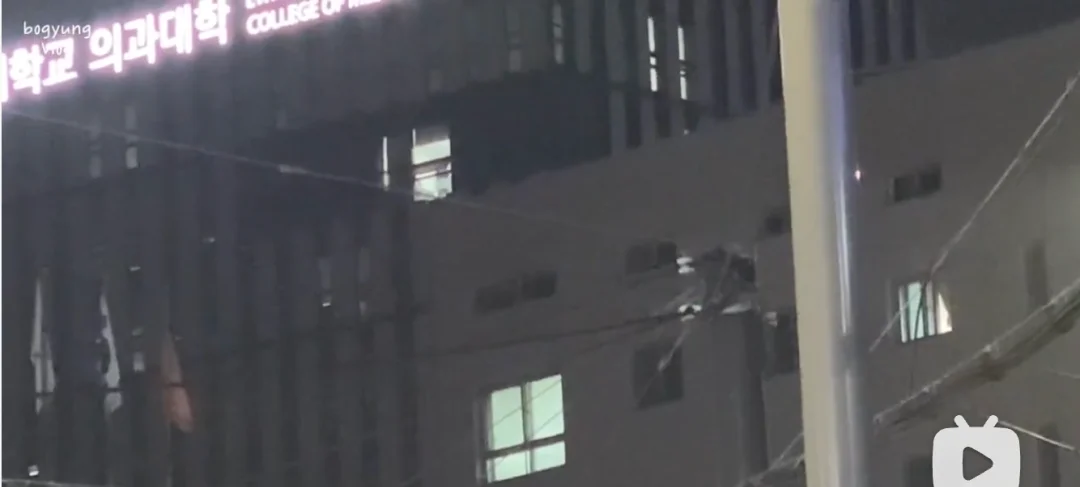
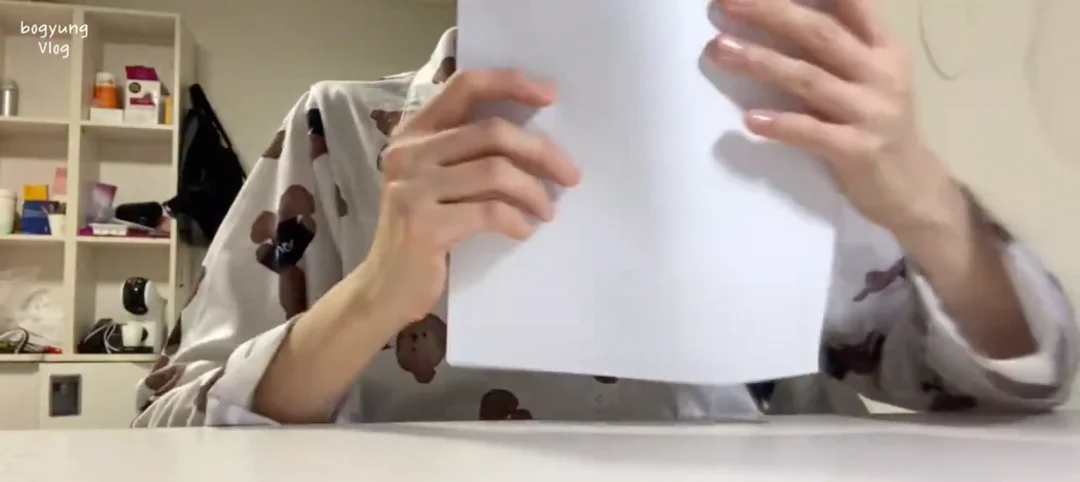
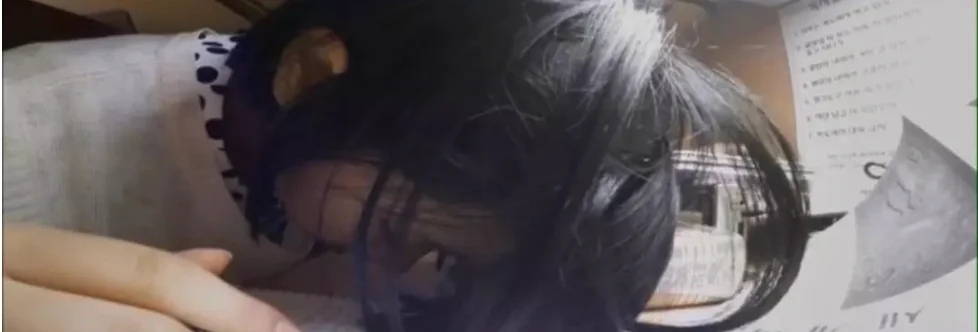
Vlog blogger bogyung strictly wakes up before 7 AM, studies, eats, exercises, and revises, returning to the dorm at 2 AM, and then continues studying, waking up again at 7 AM the next day. After a week of hustling, she goes all-nighter for an exam, thinking she would sleep heavily afterward, but only managed a 2-hour light sleep, then went back to the library.

Even though we're all East Asians, many students who went to Korea for study realized the huge genetic differences between people: "I studied until midnight, and the next morning I still washed my hair and got fully dressed for class, without sleeping at all." "I sent an email to my 50-year-old professor at midnight, and he replied at 5 PM." "The next day, the group presentation was already done, even though my senior hadn't done it the day before, he drank and partied after class, and the next day, the presentation was already ready..." In internet stories about Korea, the SM stars have become almost robotic: wearing black and white clothes, left hand American style, right hand red ginseng; enduring the latest night, dancing the wildest, working the latest, and leaving the earliest.
It's no wonder someone exclaimed: "Have Koreans evolved to lose sleep?" Koreans, why don't you sleep?
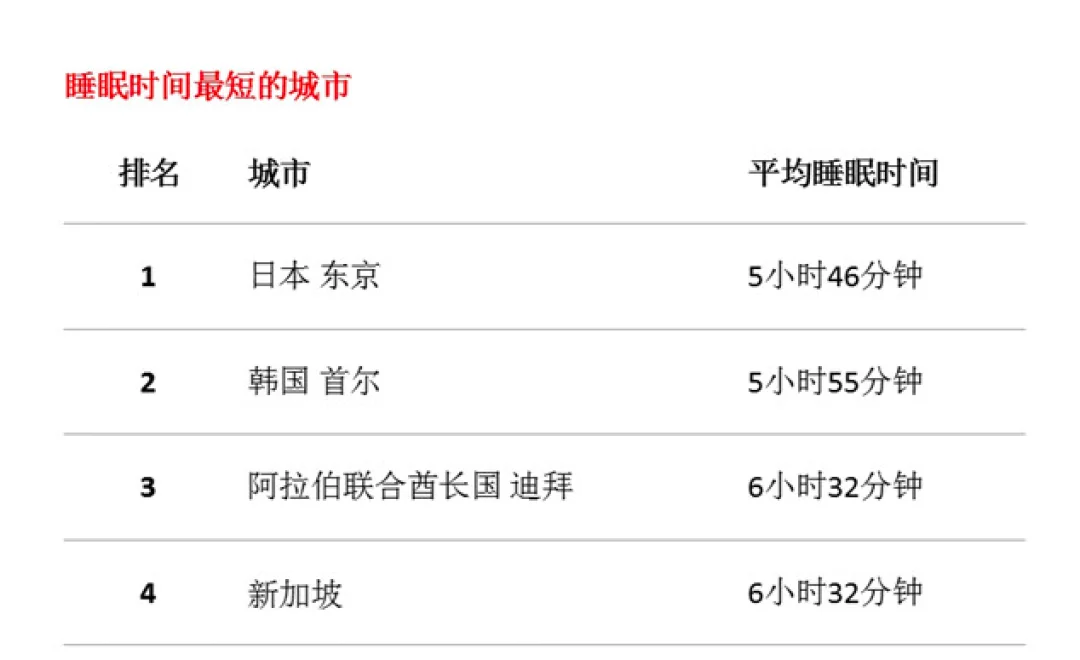
Objectively, according to a survey in 2019, the average sleep time for Korean adults was 7.2 hours per day, slightly below the WHO's 7-8 hours. However, the average may hide specific groups' sleep deprivation issues.
Focusing on "young people" and "urban areas," the problem seems severe. According to another survey, 16.7% of Koreans sleep less than 5 hours, and in Seoul, the average is under 6 hours.
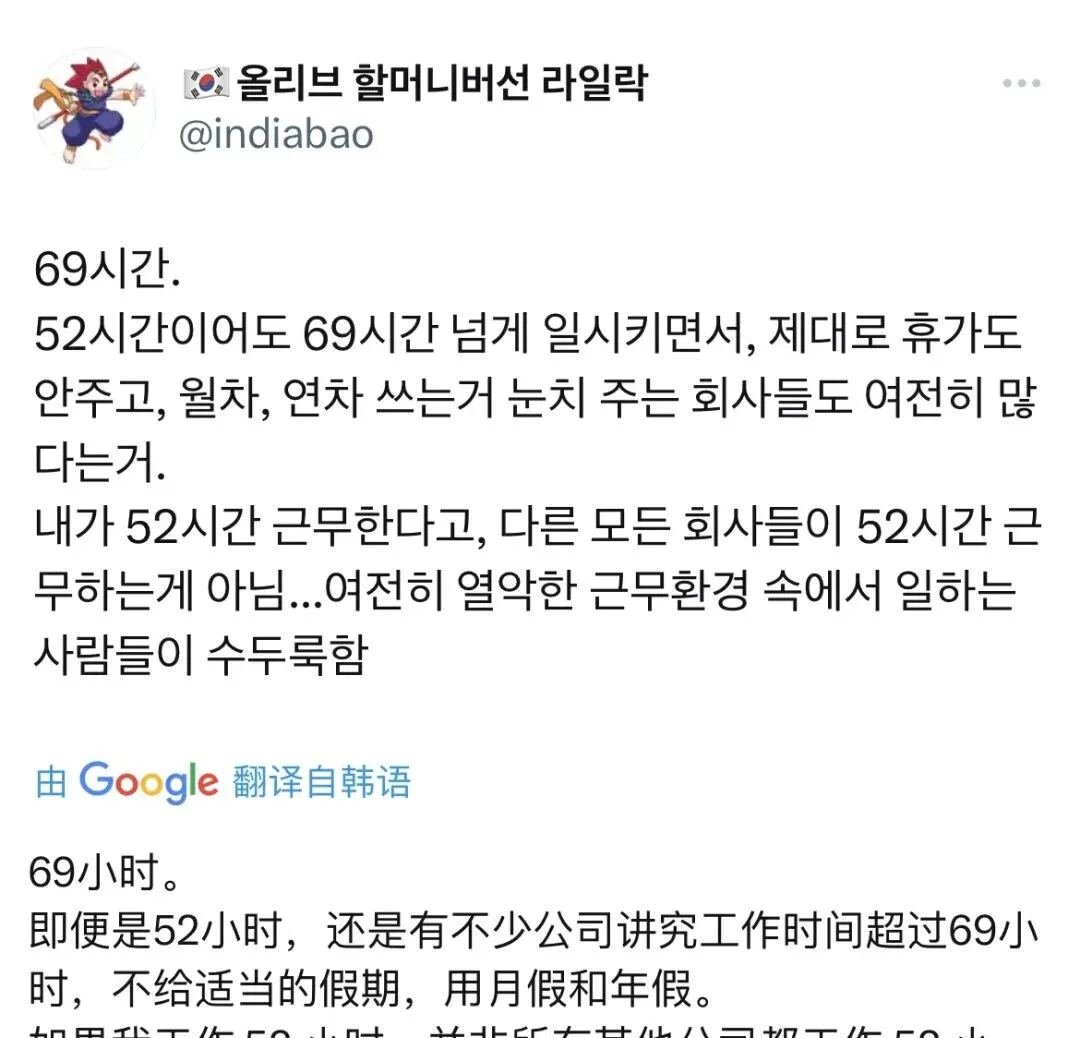
If you ask Koreans "why don't you sleep," the answer might be a Yang Cai-style: "Why don't you sleep, is it because you don't want to?" According to 2019 OECD data, South Korea's annual working hours were 1,967, ranking fourth globally, 241 hours more than the OECD average. In 2018, the government passed a law reducing the maximum weekly working hours from 68 to 52; however, on March 7 this year, the law was amended to increase the limit to 69 hours...
The official explanation is to allow employees to concentrate on work, enabling long-term vacations, "creating an environment for workers to freely use vacation," and even promoting the birth rate. However, while other countries are researching a 4-day workweek, South Korea increased the limit.
Koreans clearly can't accept this: even when the limit was 52 hours, many companies already worked over 69 hours. Now, with the limit set to 69, is this still acceptable?
A person has 24 hours a day, and the maximum working time can reach 14 hours on average. How can they live?

Moreover, statistics show that Koreans' average commute time is 58 minutes, significantly longer than the 28 minutes in other developed countries. Long commutes and overtime leave Koreans with little personal time, and even their limited downtime is occupied by gathering culture.
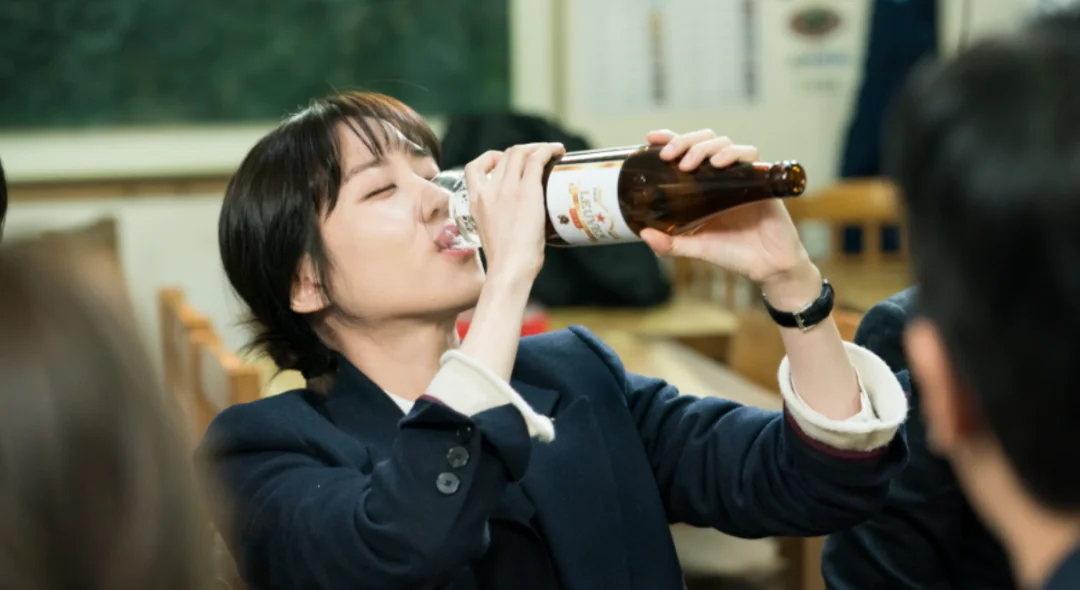
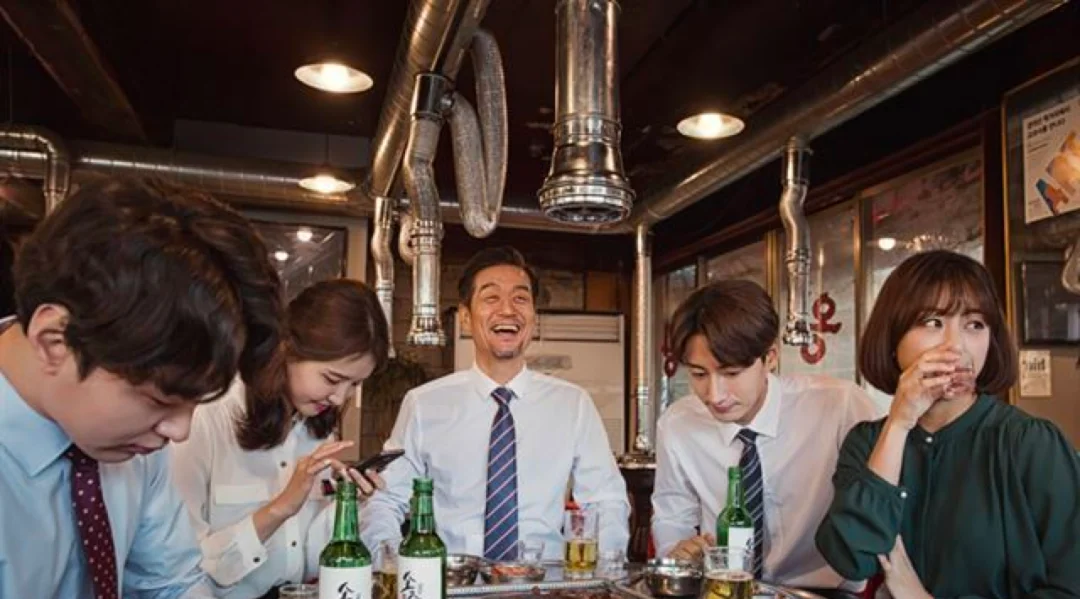
Korean culture is very fond of gathering, like your annoying boss. They generally believe that the drinking table is a good place for emotional exchange, first round of drinking, second round to karaoke, third round back to drinking.
This cycle continues until 3 or 4 AM, but the sun still rises the next day, and people still have to go to work... Ultimately, who would a normal human like to work overtime and then dine with their boss?
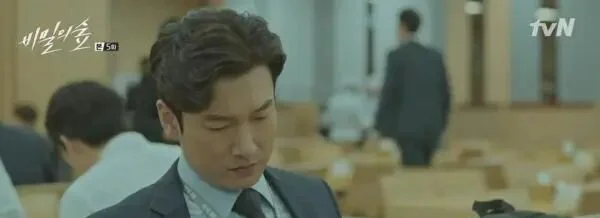
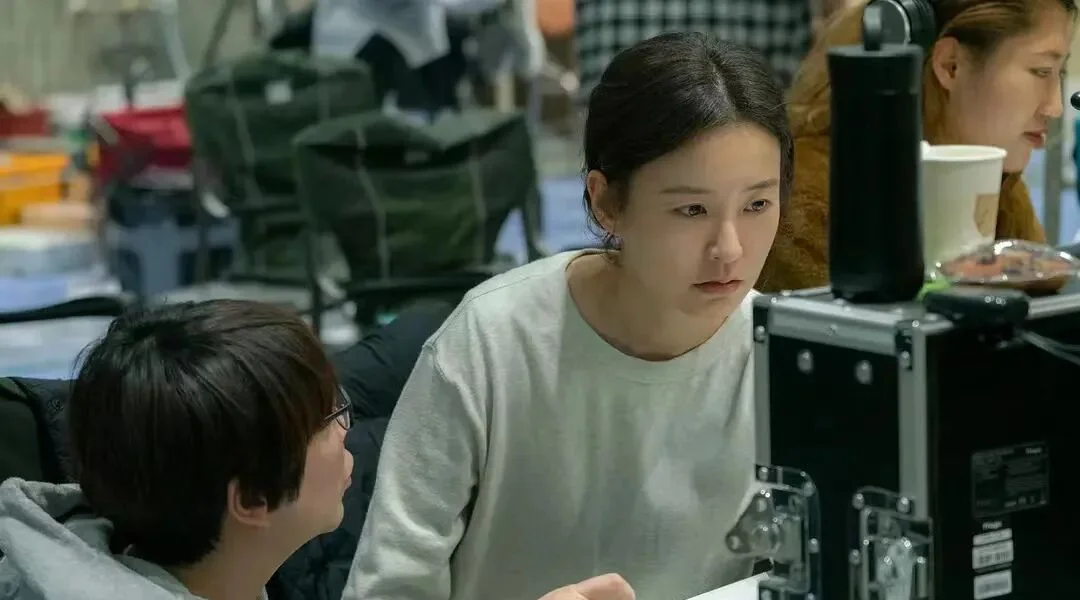
You just don't hear the Korean drama male and female leads' inner screams. This generation of Korean youth, raised after the financial crisis, faced greater academic, employment, and living pressures than their parents, with narrower class mobility, only able to hustle and grind.
Once, Koreans believed in "four wake up, five fall," meaning if students woke up at 4 AM to study, they could get into university, but if they woke up at 5 AM, it was too late. Now, four wake up is not enough, and everyone starts believing in "three wake up, four fall."
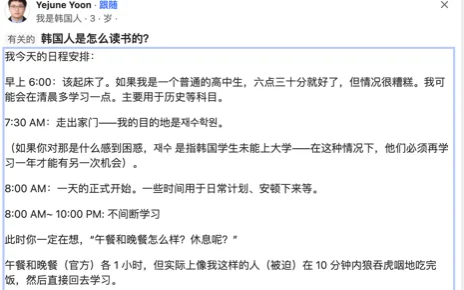
Quora has Korean students sharing their schedules, and everyone basically wakes up around 6:30 AM, after afternoon classes, they still have to attend cram schools or night schools. The sleep deprivation from student life, the habit of hard work, continues into work, which is continued overtime and grinding.
Diligence, effort, endurance, these are the scars etched on East Asians' foreheads. From this perspective, those bizarre lifestyles, bars, clubs, barbecue places, are probably products of excessive pressure: after all, life is so hard, how can you survive without pushing yourself to the limit?
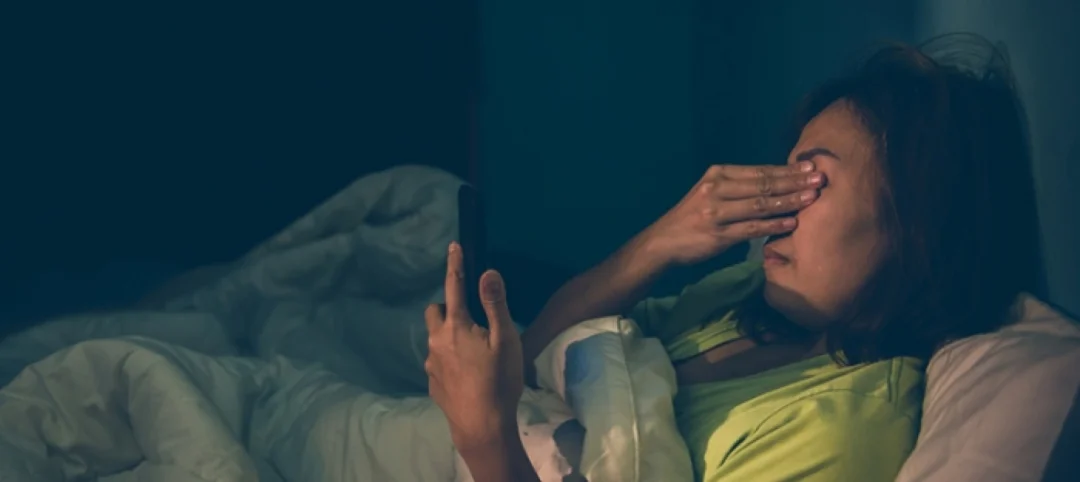
Not because they don't sleep, but because they really can't sleep. According to data from the Korean Health Insurance Corporation, last year about 720,000 people suffered from insomnia and other sleep issues, higher than 420,000 in 2014, and the number of insomnia patients doubled from 2002 to 2012.
"Sleep" has become a profitable market. In 2019, South Korea's entire sleep industry was worth 3 trillion won, which was 48 million in ten years ago, and recently Korean ASMR sleep aids have developed rapidly, reflecting people's strong demand for "a good night's sleep."
This strange scene achieves a certain unity—on one hand, Koreans have very active nightlife, people drink and vomit at night, in the early hours of 2 or 3 AM, they finish their wild parties, and go back in groups; on the other hand, nearly 100,000 Koreans take sleeping pills. The glamorous appearance under the spotlight hides the restless nights.
The joyful indulgence and sleep deprivation pain are neighbors, but they never dare to disturb each other. People's nights are sandwiched between forced overtime and voluntary entertainment, unseen hands squeezing their health and consuming their spirit.

The "not sleeping" name seems glamorous, after all, it can become red ginseng iced coffee, can be matched with the cute and beautiful "K-style lifestyle," no matter how sour or bitter, it can be swallowed in one bite. A few days ago, Korean actor Liu Yifeng was arrested for drug use, shocking fans.
Especially the "milk needle," ibuprofen, the total injection amount in Liu Yifeng's body was 4,400 milliliters. This terrifying number, how to describe it?
It's like drinking a milk tea, but his amount is so large... This explanation is absurd or not is not discussed here, but previously, he also mentioned his sleep problems.
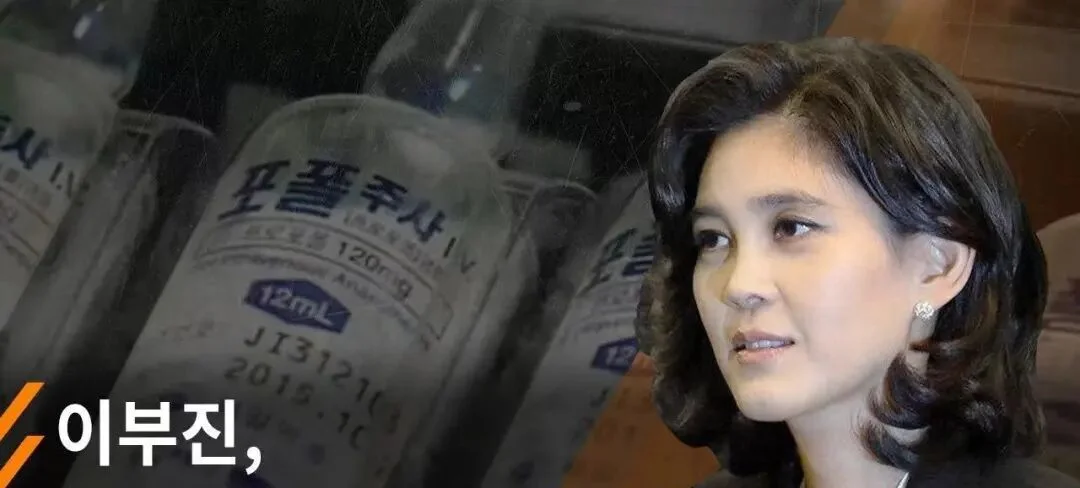
At least one thing can be said, Liu Yifeng has already used drug consumption to combat sleep issues. Even not just Liu Yifeng, Korean actor Han Soo-hyun, even the three-star princess have been penalized for abusing ibuprofen.
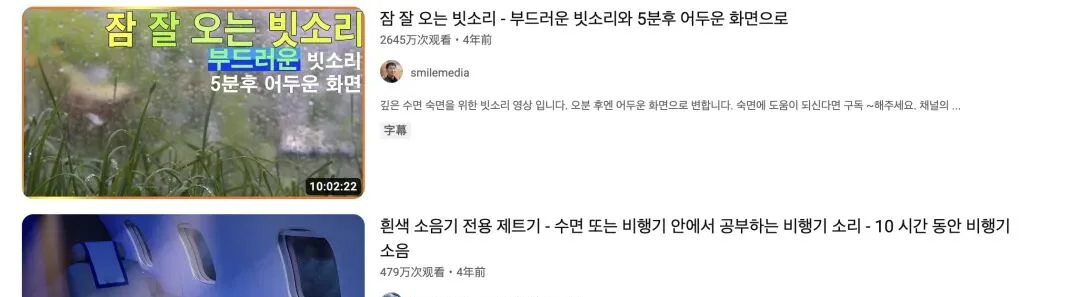
There are also reports from plastic surgery hospitals that some celebrities come here to inject milk needles just to sleep well, even instructing staff, "If you wake up, inject again." Rich and free Korean celebrities are like this, so what about ordinary people with sleep issues?
Ultimately, when we talk about "Koreans not sleeping," we are not just talking about not sleeping, but more about the relaxed and beautiful posture that has been created: self-disciplined and beautiful, efficient and talented. Living in a big city, with rich life, charming social circles, decent jobs, enjoying the lively and noisy, and balancing life and work.
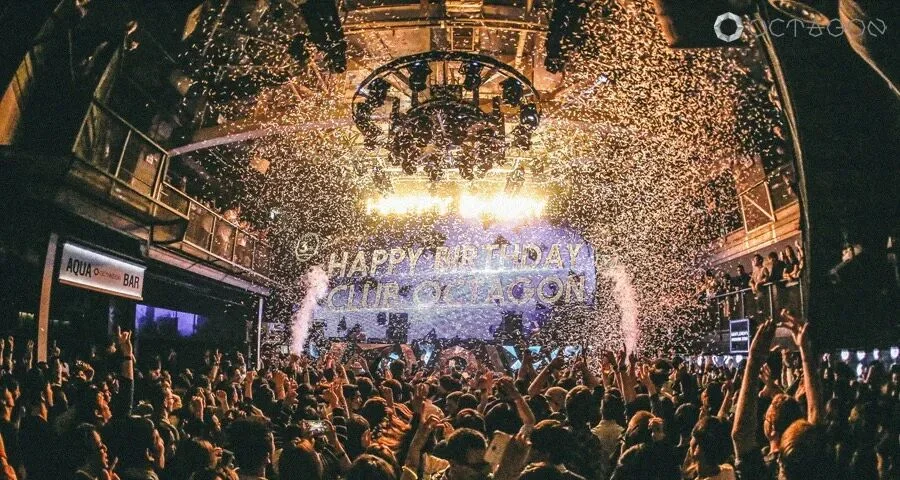
The illusion seems beautiful, but the reality is tragic. Moreover, people are not grass, individual sleep needs may differ, but how many people really don't need to sleep, are naturally gifted?

The author | Du Du Du Editor | Miliam WeChat has been updated
To have "Phoenix Weekly" appear in your timeline Star it
★ For a better me
We